Six per cent of $120,000 a year in rent is $7,200. That figure looks modest until the same authority also bills for leasing, rent reviews and the annual outgoings reconciliation. No regulator sets commercial property management fees in Australia. A quote only means something once the percentage is lined up against the work, the extras, and the dates the manager is being paid to protect.
In brief
The appointment is there to collect the money, administer the lease, keep the building safe and tenantable, and report what is going on. The fee is almost always a percentage of rent or of collections, or sometimes a flat monthly amount on a small asset. In Western Australia, as elsewhere, that percentage is a private agreement. REIWA does not publish fee guidelines for member agencies, and government regulations do not fix real estate fees in WA.
| Asset type, as described in agency market commentary | Published fee range | Why it moves |
|---|---|---|
| Industrial or warehouse, single tenant | Often quoted around 4 to 6% | Longer leases, fewer day-to-day calls |
| Office, single tenancy | Often quoted around 4 to 7% | Lower intensity than retail, still has reviews and outgoings |
| Retail shop or strip | Often quoted around 6 to 10% | More tenant contact, turnover rent in some leases, tighter statutory rules |
| Mixed use or several small tenancies | Often quoted around 7 to 10% | More ledgers, more trades, more expiry dates |
| Large portfolio | Sometimes negotiated around 3 to 5% | Volume, if the reporting is standardised |

What a commercial property manager actually does
Dates drive the job. A missed option window, or a market review served late, can cost more than a year of fees. A manager worth the percentage knows the lease as well as the rent ledger.
Money in
The manager invoices rent, usually monthly, and follows up arrears on the timetable the lease allows. On a net or semi-gross lease they also invoice estimated outgoings, then reconcile those estimates against actual council rates, insurance, repairs and shared services after year end. That reconciliation is where sloppy management shows up, because recoverable costs that were never billed are simply lost.
The lease diary
Every commercial lease has a cluster of dates: commencement, reviews (fixed, CPI or market), option exercise windows, expiry, make-good, and sometimes turnover-rent certificates. The manager should issue notices inside those windows and keep a file of what was served, when, and how. They also track bank guarantees and insurance certificates, both of which expire.
The building
Routine inspections, tenant requests, and emergency repairs all go through the manager. They engage trades, seek your approval above an agreed limit, and should not mark up invoices in silence. Health and safety obligations on the common areas and plant stay with the owner, but the manager is usually the person who books the tag-and-test, the fire service, or the roof repair.
Reporting
A monthly income and expenditure statement, a arrears list, and an annual budget are the minimum. Better managers also report upcoming reviews, vacancies and maintenance liabilities, so you can make decisions before a date has already passed.

What is usually extra?
A cheap percentage becomes an expensive year in this part of the authority. Ask for a table, in the appointment itself, that separates included work from additional fees.
| Service | Often in the base fee? | How it is commonly charged |
|---|---|---|
| Rent collection and arrears follow-up | Yes | Included |
| Routine inspections and owner reports | Yes | Included, with a stated frequency |
| Coordinating repairs (not the trade invoice itself) | Yes | Included, sometimes with a cap on the manager's authority |
| New leasing and marketing a vacancy | Often no | A leasing fee, sometimes a percentage of one year's rent, plus advertising |
| Lease renewal or option documentation | Often no | A smaller fixed or percentage fee |
| Arranging a market rent review | Sometimes no | A fixed fee, plus any valuer's account |
| Annual outgoings reconciliation | Sometimes no | A fixed annual fee, especially on multi-tenant buildings |
| Major capital works supervision | Usually no | A project fee or hourly rate |
| Tribunal, court or solicitor work | Usually no | Hourly or per appearance, plus legal costs |
If two Applecross agencies both quote 6%, and only one includes reviews, the outgoings reconciliation and a quarterly inspection, they are not the same product.
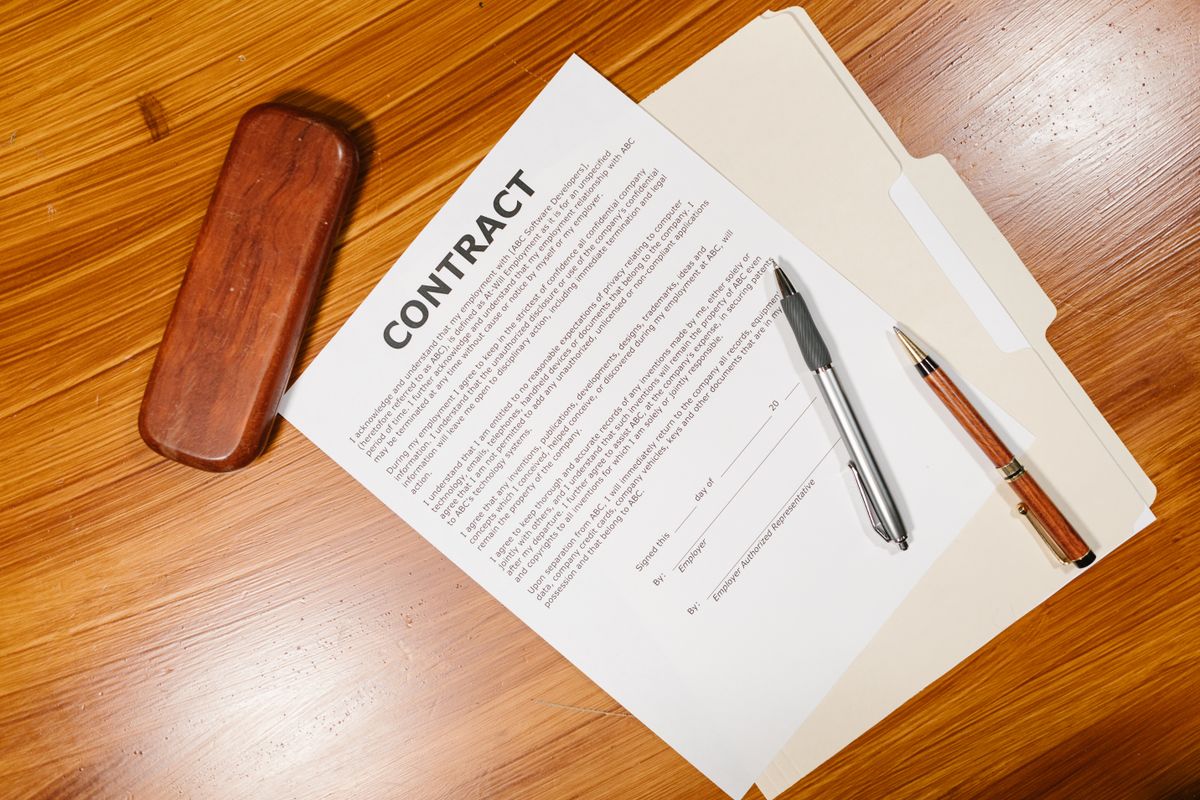
How a 6% fee looks in dollars
The figures below are a worked example for a small commercial investment, not a quote. Take a single-tenancy office on Canning Highway in Applecross, Western Australia, leased at $80,000 a year plus GST, with recoverable outgoings budgeted at $18,000. The lease has three years left, a CPI review each year, and a three-year option that must be exercised in a six-month window.
If the manager charges 6% of rent only, the management fee is $4,800 a year, or $400 a month, before GST. If the same 6% is charged on rent plus collected outgoings, the fee on a fully collected year is 6% of $98,000, which is $5,880. That $1,080 gap is why the definition of "collections" belongs in the first email, not in a surprise at audit time.
Now add plausible extras for a year in which the option is exercised and the CPI review is done:
- CPI review coordination, if charged separately: a few hundred dollars
- Option documentation: a fixed fee, often in the mid hundreds to low thousands depending on whether a solicitor is used
- Outgoings reconciliation: sometimes included, sometimes a separate annual fee
The base 6% still does the daily work. The extras cluster around the dates that protect the income. If nobody issues the review notice, the $80,000 rent may stay flat for a year. On a 3% CPI movement, that missed review is $2,400, which is half of the cheaper management fee in this example.
For local owners who want the work handled close to the asset, property management in Applecross is the kind of appointment where you should still insist on that written scope, including whether leasing is in-house or referred out.

Retail leases add a legal overlay
Office and industrial leases are largely a matter of contract, plus planning and building rules. Retail leases are a different legal category. In Western Australia the Commercial Tenancy (Retail Shops) Agreements Act 1985 sets extra requirements around disclosure, outgoings and, in many cases, how rent reviews can work. Other states have their own retail legislation, such as the Retail Leases Act 1994 (NSW) and Victoria's retail leasing rules.
A manager who handles shops needs to know those rules well enough to issue the right notices and keep recoverable outgoings inside what the Act allows. If your "commercial" property is actually a retail shop, ask the agency which Act they are administering and how they handle disclosure statements at a new lease or a renewal. That question sorts experienced retail managers from agencies that mainly run houses.
How to compare quotes
Ask three agencies for a written authority, then compare them on the same page.
- The fee base: rent only, or rent plus outgoings, and whether GST is on top.
- The leasing fee for a new tenant, and the fee if the current tenant renews.
- Inspection frequency and the format of the monthly report (a sample report is worth more than a promise).
- The approval limit for repairs, and whether after-hours trades are arranged.
- Who holds trust money, how rent is banked, and when you are paid.
- Notice periods and exit fees if you end the authority.
- Insurance and bank-guarantee registers: will they be kept, and will you see expiry dates in advance?
A slightly higher percentage with leasing included, or with a tight reporting pack, can be cheaper than a bargain rate that bills every review and every trades call as an add-on. For a multi-tenant building, ask who actually does the outgoings ledger. Nimbu Commercial makes the same point on fees in WA: they are agreed in writing, not fixed by a schedule. That skill is not interchangeable with residential property management.
When you might manage it yourself
A single, well-documented industrial or office lease can be self-managed if you will invoice on time, inspect, and diary the option and review dates. A solicitor or commercial agent is still worth having when the lease is first done, and an accountant for GST and depreciation.
It gets harder when rent is late, when the air-conditioning fails on a Sunday, when a tenant disputes an outgoings item, or when you are not in the same city as the building. A manager earns the fee most clearly in those weeks, and in the quiet work of not missing a statutory or contractual deadline.
If you do appoint someone, read the authority as carefully as the lease. Cross out services you do not want, and put a dollar cap on work they may commission without calling you.
Who pays for repairs, and who recovers the outgoings?
The lease, not the management authority, decides who pays. In a typical net commercial lease the tenant pays rent plus a share of outgoings such as council rates, building insurance, common-area electricity, fire services and routine repairs. Structural work, capital replacements and defects that were the owner's to fix usually stay with the owner, unless the lease says otherwise in a way the law allows.
The manager's job is to budget those outgoings, invoice the estimate, pay the suppliers from the right account, and reconcile at year end. If a tenant is charged for an item the lease does not recover, you can end up refunding it, sometimes years later. If an item that is recoverable is never billed, you have simply donated the money. That is why a cheap management fee that skips the reconciliation is a poor bargain on a net lease.
Repairs need a written approvals limit. A broken glass door on a shopfront cannot wait for a weekly email, but a $20,000 air-conditioning replacement should not be let without your instruction. Put both the emergency authority and the cap in the appointment, and require invoices (not just summaries) to be available.
Make-good at the end of a lease is another place managers earn or lose money for you. The lease should say whether the tenant must return the premises to a base condition, and the manager should inspect early enough to issue a notice, obtain quotes, and hold the bank guarantee until the work is done or accounted for. Waiting until the keys are already back is how make-good claims fade into an argument.
What goes wrong, and how to fix it
| Problem | Likely cause | What to do |
|---|---|---|
| Rent is regularly late | Weak arrears process, or a tenant in genuine difficulty | Ask for the arrears policy in writing, including when a default notice is issued |
| Outgoings blow out at year end | A thin budget, or recoverable items never invoiced during the year | Require a budget before the financial year starts, and a dated reconciliation after it |
| A review date was missed | The lease diary was not kept, or a notice was served outside the window | Check the lease for any catch-up rights, then decide whether the manager has breached the authority |
| You cannot tell how the property is trading | Reports are late, incomplete, or just a bank dump | Insist on a sample report before you appoint, and a due day each month |
| Vacancy drags on | Leasing is an afterthought, or the asking rent is wrong | Separate the leasing brief, the marketing spend, and the fee from the management percentage |
| Trade invoices look high | Limited panels, or mark-ups you never agreed | Require competitive quotes above a set amount, and a ban on undisclosed margins |
If a problem is already live, ask for the lease, the last six reports, the arrears ledger and the review diary before you change managers. A new appointment mid-dispute is possible, but only if the file actually moves with the keys.
Bottom line
The percentage is the start of the conversation, not the end of it. In Australia the commercial management fee is whatever you agree in writing. Published market commentary often clusters between 4 and 10%, depending on the asset. Pay for a manager who will collect the rent, recover the outgoings, hit the review and option dates, and report clearly. Price the extras before you sign. Judge the appointment on the income they protect, not on the smallest number in a pitch deck.
Sources
- Ross Scarfone, "Commercial Property Management Fees Perth", accessed 18 November 2026, https://rossscarfone.com.au/blog/commercial-property-management-fees-perth/
- Bold Property Group, "Commercial Property Management Guide for Landlords", accessed 18 November 2026, https://boldpropertygroup.com.au/insights/commercial-property-management-guide/
- Nimbu Commercial, "Commercial Property Management Perth", accessed 18 November 2026, https://www.nimburealty.com.au/commercial-agency/commercial-property-management/
- Blox Commercial, "Commercial Property Management NSW", accessed 18 November 2026, https://bloxcommercial.com.au/property-management/
- Western Australian legislation, Commercial Tenancy (Retail Shops) Agreements Act 1985, accessed 18 November 2026, https://www.legislation.wa.gov.au/
- Calnan Property, commercial leases and property management, Applecross, accessed 18 November 2026
FAQ
What is a typical commercial property management fee in Australia?
There is no official scale. Fees are negotiated. Perth agency commentary commonly places most commercial properties in a 4 to 10% range of rent or collections, with large portfolios sometimes quoted lower. Retail with several tenants usually costs more than a single industrial lease. The only figure that counts is the one in your signed management authority, next to a list of what it includes.
Is the management fee a percentage of rent or of outgoings as well?
It depends on the authority. Some agencies charge a percentage of rent only. Others charge on gross collections, which can include recoverable outgoings. Ask which base they use, because a 6% fee on rent plus outgoings is a different bill from 6% on rent alone.
What does a commercial property manager do day to day?
They invoice and collect rent, chase arrears, budget and often reconcile outgoings, keep rent-review and option dates, coordinate repairs, hold a register of insurance and bank guarantees, and send you financial reports. On a vacancy they may also market the premises, or they may charge a separate leasing fee for that work.
Are leasing fees included in the management percentage?
Often, no. A new lease is commonly charged as a separate leasing fee, sometimes expressed as a percentage of one year's rent or as a number of weeks' rent. Renewals and options may attract a smaller fee. Get both the management rate and the leasing rate in the same document before you appoint anyone.
Do I need a manager for a single-tenant warehouse?
Not always. A straightforward industrial lease with a reliable tenant can be run by an organised owner and a solicitor, especially if you can diary reviews and keep the insurance certificates current. The case for a manager gets stronger once you have a net lease with outgoings, more than one tenant, or retail obligations under state legislation.
About VLD Business Desk
VLD Business Desk is the VLD editorial byline for business and small business writers. Articles are researched from official and primary sources, which are listed at the end of each piece.