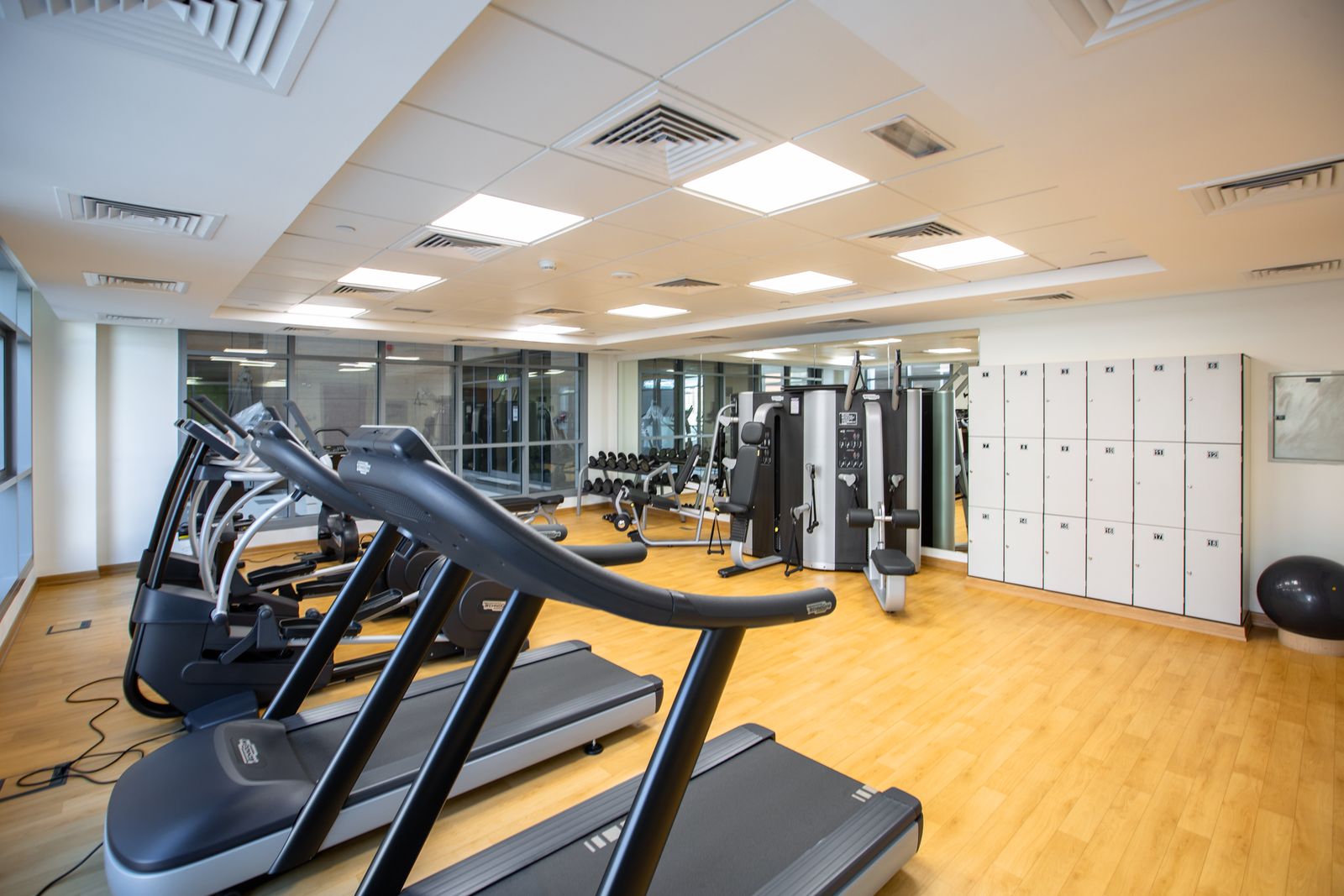
A workplace gym can be a strong drawcard for staff, but it is easy to overspend on the wrong equipment or underestimate the building work. The size of the room, whether the gym is staffed and who will use it matter more than which brand of treadmill you choose.
You'll need:
- A measured floor plan of the space, including ceiling height
- Access to showers and change rooms, or a plan to add them
- A rough headcount of likely users and peak times
- Quotes for flooring, air conditioning and electrical work
Why build a workplace gym at all?
The Department of Health, Disability and Ageing's physical activity guidelines for adults recommend 30 minutes or more of moderate to vigorous activity on most days, muscle strengthening on two or more days a week, and breaking up long periods of sitting as often as possible. For desk based staff, a gym on site removes the commute that stops many people from exercising.
That does not mean every workplace needs one. A gym makes most sense when you have enough interested staff, enough space and a plan to keep it clean and safe. For a small team, subsidised memberships at a nearby gym may be cheaper and more flexible.
Questions to answer first
- How many people are likely to use it, and when?
- Will it be staffed by a trainer, or run unmanned with card access?
- Are showers and change rooms available?
- Who will clean it, maintain the equipment and handle complaints?
- Is the floor strong enough for weights, and will noise disturb neighbours?
Verve Fitness argues the real constraints are floor space and showers rather than equipment choice, and that the decision that matters most early is whether the space is staffed or unmanned.
Step 1: Size the space
Most workplace gyms fall into three broad sizes. Verve Fitness says a gym designed for attraction, retention and wellbeing typically fits into 80 to 200 square metres.
| Space | Typical equipment focus | Typical equipment budget |
|---|---|---|
| 80 to 120 sqm | One rack, functional trainer, 2 to 3 cardio machines, free weights, stretch area | $70,000 to $100,000 |
| 120 to 200 sqm | Two racks or a rack plus functional trainer, 4 to 6 cardio machines, full free weight range, group floor space | $100,000 to $160,000 |
| 200+ sqm | Full line strength and cardio, stretch and mobility zone, small group training space | $160,000+ |
Small rooms
If you only have a room the size of a meeting room, Nordic Fitness suggests a functional trainer against one wall, an adjustable bench with a compact dumbbell rack, one cardio machine such as a bike or rower, and a mat area for stretching and bodyweight work. In a small room, it says, every piece needs to earn its place.
Tip: mark out the equipment footprint on the floor with tape before you order. Leave clear space around each machine for safe use and cleaning.
Step 2: Build your commercial gym equipment list
Choose equipment by zone. Compound Fitness notes that cardio is usually the most used equipment in a corporate gym, and that pin loaded machines are often preferable to free weights because they are safer for unsupervised use, need less technique and are easier to clean.
Cardio zone
- Treadmills: Compound Fitness suggests 2 to 4 for most corporate gyms
- Upright and recumbent bikes, a lower impact option
- Cross trainers or ellipticals
- Rowing machines, which suit short sessions
Strength zone
- A functional trainer or cable machine, the most versatile single piece
- Lat pulldown and seated row combination
- Chest press and shoulder press
- Leg press
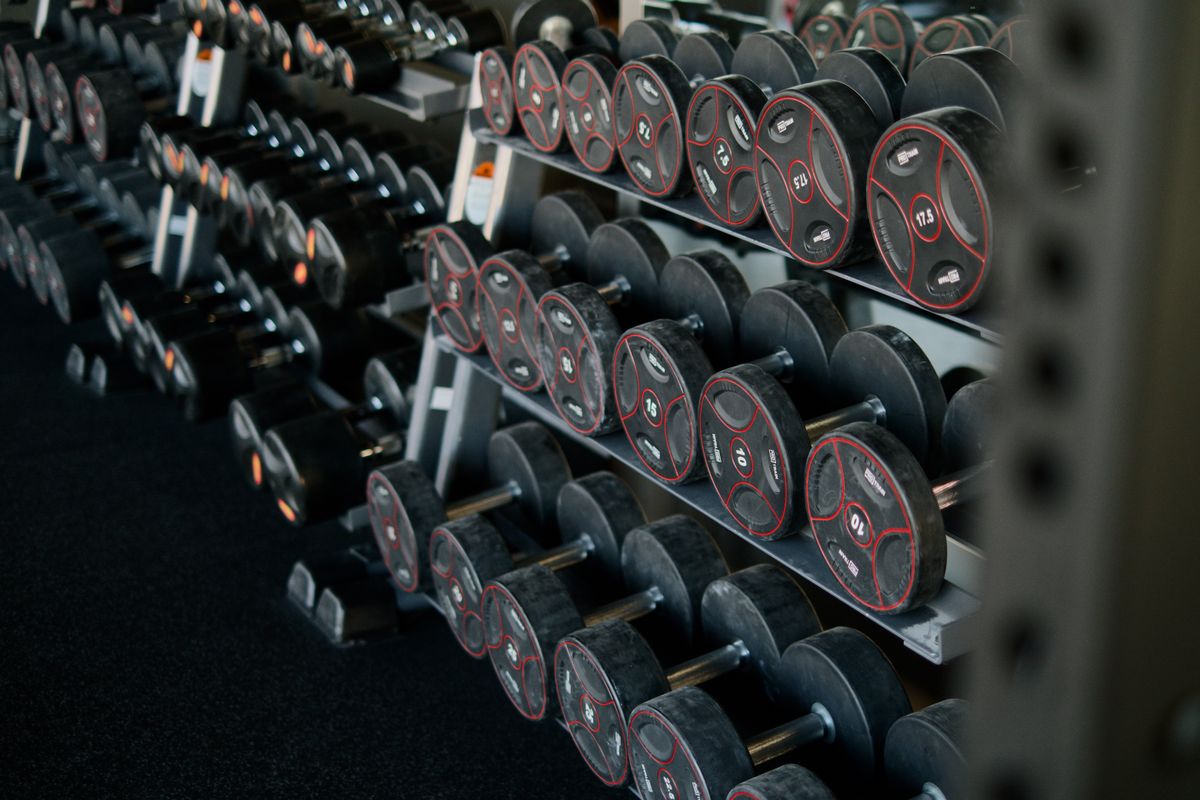
- Light dumbbells, roughly 5 kg to 30 kg
Functional and stretch zone
- Mats and a clear floor area
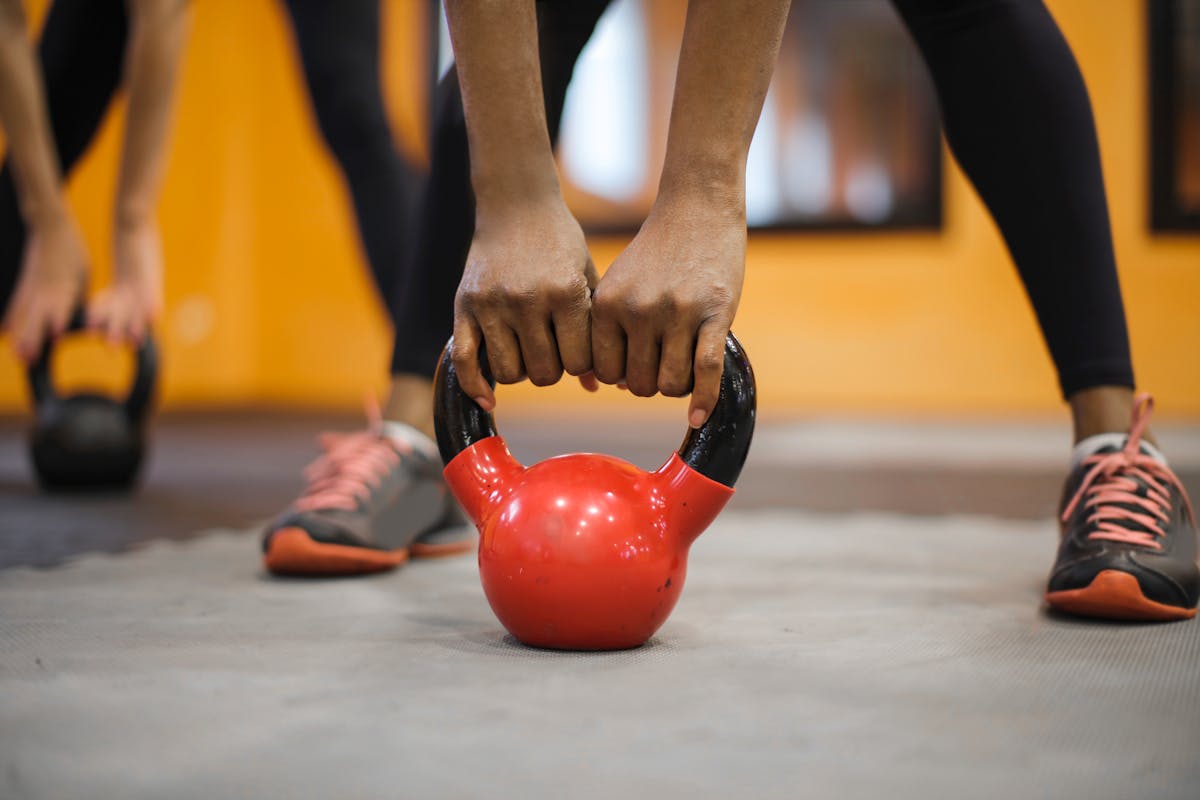
- Kettlebells in a few weights
- Resistance bands and suspension trainers
- Plyo boxes or benches
Melbourne provider Complx Health rates adjustable dumbbells, benches or boxes, bands and mats as essentials, and suggests usually skipping fixed path machines and a barbell rack in small office gyms, because they take a lot of space or need supervision.
How much does commercial equipment cost?
Commercial gear costs far more than home equipment because it is built for heavy daily use by many people. Compound Fitness puts a residential treadmill at $800 to $2,000 and a commercial treadmill at $4,000 to $12,000.
| Item | Unit price (AUD) |
|---|---|
| Commercial treadmill | $4,500 to $11,000 |
| Upright bike | $2,500 to $6,000 |
| Recumbent bike | $2,500 to $5,500 |
| Elliptical or cross trainer | $3,000 to $8,000 |
| Rowing machine | $1,500 to $4,000 |
| Lat pulldown and seated row combo | $3,000 to $7,000 |
| Cable crossover or functional trainer | $3,500 to $9,000 |
| Chest press, selectorised | $3,000 to $6,000 |
| Adjustable bench | $400 to $1,200 |
| Kettlebell set, 8 to 48 kg | $1,500 to $4,000 |
| Dumbbell rack set, 5 to 50 kg | $8,000 to $18,000 |
Common mistake: buying residential equipment to save money. Compound Fitness warns residential gear under corporate use will fail within months, and warranties often do not cover commercial use.

Step 3: Budget for the room, not just the gear
Equipment is only part of the cost. Compound Fitness says flooring, mirrors, lighting and air conditioning can add a similar amount to the equipment budget, and puts a mid size corporate gym of 80 to 120 square metres at $60,000 to $150,000 all in for a quality installation.
Fit out items to price
- Rubber flooring, thicker in free weight areas
- Mirrors on at least one wall
- Air conditioning and ventilation sized for exercise
- Extra power outlets for treadmills and other powered cardio
- Lighting, sound and a screen for classes
- Storage for mats, bands and cleaning supplies
- Access control, such as card readers
- Showers, lockers and change rooms if not already available
Complx Health advises getting quotes against a defined equipment list rather than a general budget, and pricing flooring separately because it is often the surprise.
A sample budget for a mid size room
| Item | Indicative range |
|---|---|
| Cardio: treadmill, upright bike, rower | About $8,500 to $21,000 |
| Strength: functional trainer, lat pulldown and row combo, chest press | About $9,500 to $22,000 |
| Free weights: dumbbell rack set, adjustable bench, kettlebell set | About $9,900 to $23,200 |
| Flooring, mirrors, lighting, ventilation | Can match the equipment spend |
| Contingency | Allow a buffer for surprises |
Step 4: Plan for safety and supervision
A workplace gym is part of your workplace, so your work health and safety duties apply. Safe Work Australia publishes guidance on managing risks at work. Talk to your insurer before opening, especially if the gym will run unmanned.
Safety basics
- A health screening form and induction for every user
- Clear rules on hours, guests and supervision
- Signage showing how to use each machine
- Emergency stop clips on treadmills
- A first aid kit and access to a defibrillator if possible
- Regular inspection and servicing of equipment
- An incident reporting process
If the gym will be unmanned, choose equipment that is safer without supervision. Selectorised machines with weight stacks are generally easier to use safely than barbells and heavy free weights.
Layout tips that save trouble later
Put cardio machines along a wall with windows or a screen, and keep them near power outlets so cables do not cross walkways. Place free weights and racks on the thickest flooring, away from glass and doorways. Keep a clear lane from the entry to every zone, and leave the stretch area where people will not walk through it.
Think about noise. Treadmills and dropped weights carry through floors and walls, which matters in an office building. Complx Health notes treadmills are noisy and space hungry, which is one reason it often suggests a rower or bike in small rooms instead. If the gym sits above or beside meeting rooms, ask your building manager about acoustic flooring before you sign off on the layout.
Making the gym work for everyone
A workplace gym should suit staff who rarely exercise as well as regular gym goers. Many people feel uneasy walking into a room full of racks and mirrors. Simple choices help.
- Include low impact options, such as recumbent bikes and cross trainers
- Keep a quiet corner for stretching, mobility and rehab exercises
- Use clear signs and short video guides for each machine
- Offer beginner inductions and women only or quiet hours if staff ask for them
- Make sure the entry, change rooms and at least some equipment are accessible for people with disability
The health department's guidelines also recommend functional activities for mobility, balance and coordination on three or more days a week. A mat area with bands and a few light weights supports that, and costs very little.
Step 5: Choose a supplier
Look for a supplier that sells genuine commercial grade equipment, offers installation, and backs it with warranty and servicing. Ask for a 3D layout and an itemised quote, which Verve Fitness describes as what turns the idea into an approved capital works line item.
A specialist supplier of commercial gym equipment can help you match machines to your floor space and user numbers, and quote equipment and delivery together.
Questions to ask suppliers
- Is this equipment rated for commercial use, and what does the warranty cover?
- Who installs it, and is removal of packaging included?
- What servicing do you offer, and how fast are repairs?
- What are lead times? Nordic Fitness, for example, notes some machines can take 45 to 90 days when not in stock.
- Can you supply a layout plan that shows clearances?
What are the running costs?
Budgets often stop at opening day. Plan for:
- Cleaning, ideally daily, plus wipes and sanitiser for users
- Equipment servicing, usually at least annually
- Repairs and replacement parts
- Access control and software
- Towels and laundry, if provided
- Classes or trainers, if offered
- Insurance
Put a named person in charge of the gym, even if it is only a few hours a month. Someone needs to log faults, book servicing, restock cleaning supplies and answer questions. Without an owner, small problems pile up. A broken machine with a handwritten sign on it for three months tells staff the gym is not a priority, and usage drops fast. Set aside a yearly amount for repairs and replacement so the gym still looks good in its fifth year, not just its first.
Step 6: Launch it and keep people using it
A gym only pays off if people use it. Run inductions in the first weeks, offer short classes at lunchtime, and ask for feedback after a month. Track usage through the access system and adjust hours, classes or equipment based on what you see.
Tip: offer short sessions. Many staff only have 20 or 30 minutes, so rowers, bikes and circuits suit them better than long programs.
If you do one thing
Start with space, showers and the staffed or unmanned decision, then build an equipment list zone by zone. Budget roughly $70,000 to $100,000 for equipment in an 80 to 120 square metre room, and expect the fit out to add a similar amount. Buy commercial grade gear, plan for safety and running costs, and keep checking how people use the space.
Sources
- Verve Fitness, "Corporate Gym Fit-Out Guide Australia (2026)", accessed 18 November 2026, https://www.vervefitness.com.au/blogs/all/corporate-gym-fit-out-guide-australia
- Compound Fitness, "Corporate Office Gym Design: What Your Fitout Needs to Include in 2026", accessed 18 November 2026
- Compound Fitness, "How Much Does It Cost to Fit Out a Commercial Gym in Australia? (2026)", accessed 18 November 2026
- Nordic Fitness, "Corporate Gym Fit-Outs: Small-Space Layouts", accessed 18 November 2026, https://www.nordicfitness.com.au/blogs/news/corporate-gym-fit-outs-small-space-layouts
- Complx Health, "Building An Office Gym: Space, Equipment And Programming", accessed 18 November 2026, https://complx.com.au/office-gym-setup-melbourne/
- Department of Health, Disability and Ageing, "Recommendations for adults (18 to 64 years)", accessed 18 November 2026, https://www.health.gov.au/topics/physical-activity-and-exercise/physical-activity-and-exercise-guidelines-for-all-australians/for-adults-18-to-64-years
- Safe Work Australia, accessed 18 November 2026, https://www.safeworkaustralia.gov.au/
FAQ
How much does a workplace gym cost in Australia?
It depends on size and quality. Verve Fitness puts equipment for an 80 to 120 square metre gym at $70,000 to $100,000, and 120 to 200 square metres at $100,000 to $160,000. Compound Fitness says flooring, mirrors, lighting and air conditioning can add a similar amount again.
What equipment should a small office gym have?
For a room about the size of a meeting room, Nordic Fitness suggests a functional trainer, an adjustable bench with a compact dumbbell rack, one cardio machine such as a bike or rower, and a mat area.
Can we use home gym equipment in an office gym?
It is not recommended. Compound Fitness warns that residential equipment under corporate use will fail within months. Commercial equipment is built for many users and long daily use.
Do we need a staffed gym?
Not always. Many workplace gyms run unmanned with card access, but that usually means choosing safer, simpler equipment, running inductions, setting rules and checking your insurance.
About VLD Workplace & Property Desk
VLD Workplace & Property Desk is the VLD editorial byline for workplace, property and events writers. Articles are researched from official and primary sources, which are listed at the end of each piece.


