
A workplace wellness program can mean almost anything: an employee assistance line, a step challenge, a fruit bowl, a lunchtime class, or a room with a squat rack. That looseness is why cost and uptake figures are so often quoted without a definition, and why many of those figures never appear in official Australian statistics.
What official data does show is the scale of work-related harm, and how commonly workers report the psychosocial pressures that wellness programs are often asked to fix. Those numbers should sit beside any budget conversation. On their own, they are not a price list for a program.
Quick answer
There is no current official national average, in the Safe Work Australia material opened for this article, for what employers spend on wellness programs or for how many workplaces run one. There is solid official data on serious claims, fatalities and hazard exposure. Treat program quotes, health-fund extras and gym equipment prices as separate, itemised costs.
| Official measure | Figure | Source and date |
|---|---|---|
| Serious workers' compensation claims (one week or more off work), 2024-25 | 147,200 | Safe Work Australia, Key WHS Statistics 2026, news item 12 October 2026 |
| Share of those claims that were mental health conditions | 12%, a 169% increase over the past decade | Same news item, 12 October 2026 |
| Work-related traumatic injury fatalities, 2025 | 222, the highest annual number since 2012, and above the 5-year average of 197 | Same news item, 12 October 2026 |
| Workers estimated to have been exposed to at least one physical or chemical hazard | 68%, including 28.9% with high-level exposure | Safe Work Australia, AWES 2026 findings, 22 September 2026 |
| Workers reporting high concentration often or all of the time | 68.3% | AWES 2026, 22 September 2026 |
| Workers reporting tight deadlines or pressure often or all of the time | 37.3% | AWES 2026, 22 September 2026 |

What official statistics actually measure
Safe Work Australia is the national policy body for work health and safety. Its key statistics report, described in the 12 October 2026 news item, counts traumatic injury fatalities and serious workers' compensation claims. A serious claim, in that item, involves one week or more of time off work. The 147,200 figure is for 2024-25. Mental health conditions were 12% of those claims, after a 169% increase over the past decade. The item does not, in the text opened here, give a dollar total for those mental health claims, or a median payment. This article therefore does not invent one.
The fatality figure is for the 2025 calendar year: 222 workers lost their lives from traumatic injuries at work. That is the highest annual number since 2012, and it sits above a 5-year average of 197. Vehicle incidents were the leading cause, at 41% of those deaths. Safe Work Australia also notes that harm is concentrated: in 2025, 74% of work-related traumatic injury fatalities and 61% of serious claims occurred in six industry groups, agriculture, forestry and fishing; public administration and safety; transport, postal and warehousing; manufacturing; health care and social assistance; and construction.
None of those rows is a wellness-program enrolment count. They are a picture of harm. A program that does not change job demands, vehicle movements, falls or workplace violence is being asked to do a job the statistics do not assign to it.
What the 2026 Worker Exposure Survey adds
The 2026 Australian Worker Exposure Survey, published on 22 September 2026, is a national picture of hazard exposure. Physical and chemical hazards were estimated from the tasks workers reported. Psychosocial hazards were measured from self-reported experiences at work.
On the physical and chemical side, 68% of workers were estimated to have been exposed to at least one hazard, and 28.9% had high-level exposure. Solar UV was the most common, at 32.4% of workers, or about 4.87 million people, including 21.0% with medium-level exposure and 6.8% with high-level exposure. One in 7 workers (13.6%), about 2.04 million, were likely exposed to silica, with the highest shares in construction (71.8%) and mining (63.8%). Apprentices and trainees were more likely than other workers to be exposed to heat (51.1%), silica (35.7%), lead (17.0%) and asbestos (13.7%). Multiple physical or chemical exposures were most common in construction (68.2%), agriculture, forestry and fishing (60.1%) and mining (60.0%).
On the psychosocial side, the most common reports were cognitive demands: high concentration, 68.3% often or all of the time, and tight deadlines or pressure, 37.3% often or all of the time. Some workers reported low support, clarity and agency: 21.8% disagreed that they have a say in changes at work, 16.8% disagreed that they receive fair recognition, and 13.0% disagreed that they feel informed about changes at work.
Those percentages matter when someone claims that "most people are fine". They are not a membership rate for a wellness app.

Why a national program cost figure is missing
Industry blogs often quote an average cost per employee, or a return of several dollars for every dollar spent. This article does not repeat those figures, because they were not found on the official pages opened here, and a return-on-investment claim needs a method, a time period and a definition of "wellness" that those blogs rarely publish in full.
A program that is only an annual fruit box is not comparable with a staffed gym, a clinical EAP, or a redesign of rosters. Until a national statistical agency publishes a defined series, the honest budgeting method is to list the line items you actually intend to buy, and to get quotes.
Safe Work Australia's mental health guidance remains the legal backdrop. Under the model WHS laws, a person conducting a business or undertaking must manage psychosocial risks, by eliminating them or minimising them so far as is reasonably practicable. A wellness program can be part of support. It does not replace control of job demands, poor support, bullying, harassment or change that is badly handled.
What can you actually put a price on?
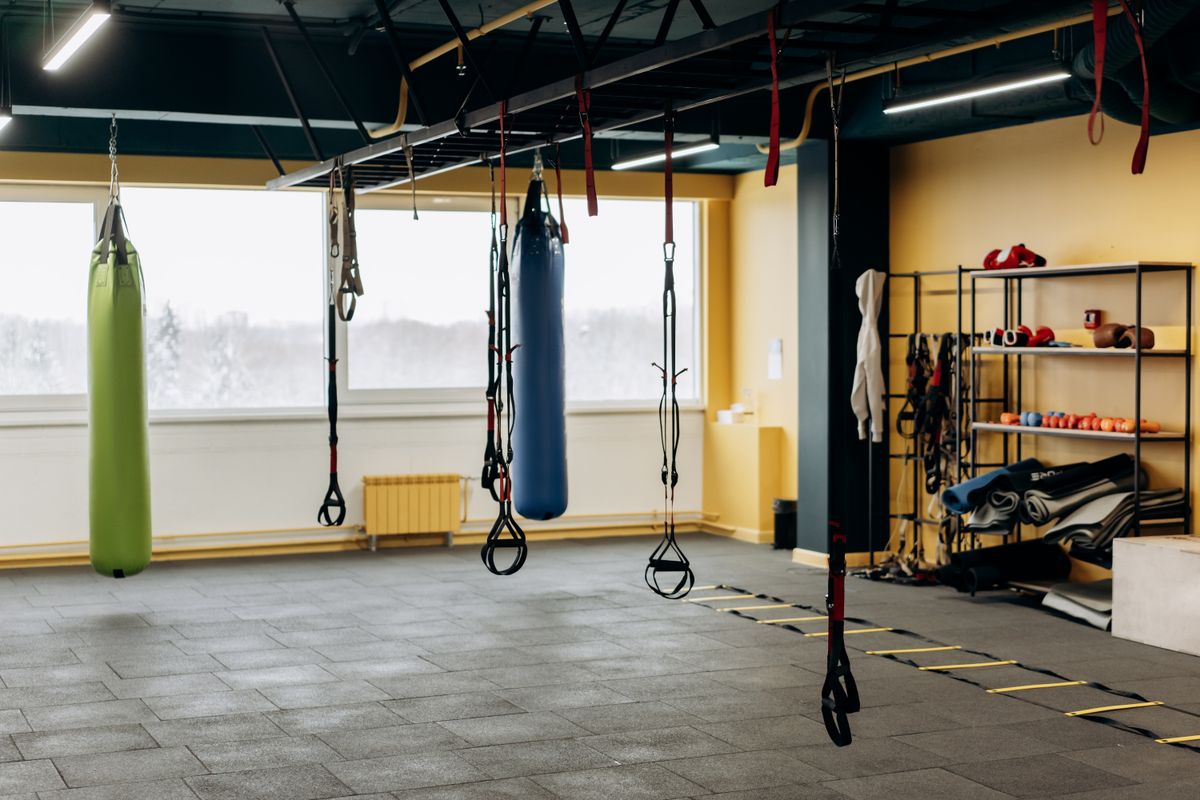
You can price the pieces. An EAP is a contract with a provider. Training is a day rate or a licence. Health screening is a fee per person, if you use it, and it has privacy rules. A workplace gym is partly an equipment invoice, partly flooring, and partly the cost of supervising the space so it stays safe.
Cyberfit is a Sydney gym-equipment supplier, not an EAP or a WHS consultant. It started in a garage in 2004 and now operates a 400 square metre warehouse, engineering and research site at Unit 27, 14 Stanton Road, Seven Hills, NSW 2147, with a New Zealand office north of Wellington. The homepage and package pages list the showroom as open 10am to 4pm on weekdays and 10am to 2pm on Saturdays, with later Saturday hours by appointment, and after-hours pickup available. The contact number is (02) 9620 6635.
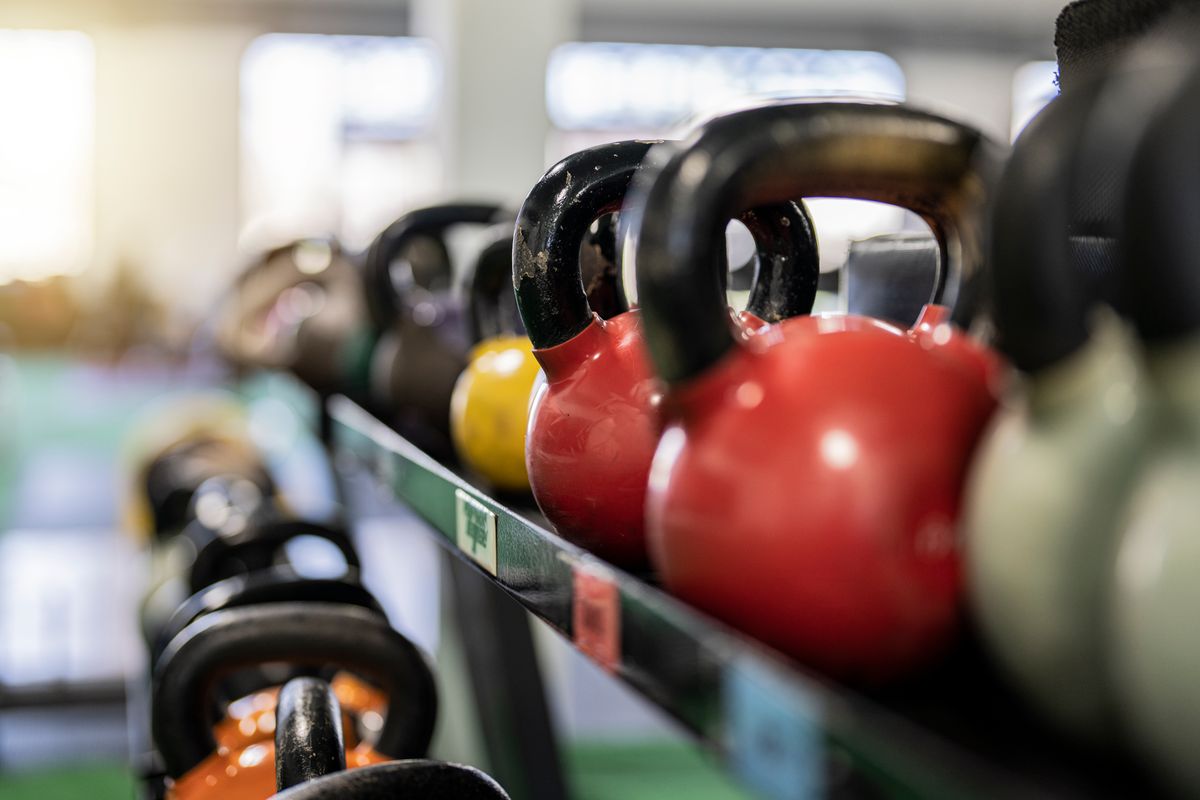
On 18 November 2026, its commercial packages page listed a 5-35 kg commercial round rubber dumbbell set at a special price of $1,331.00, reduced from $1,401.00, and a 5-30 kg set at $998.00, reduced from $1,051.00. Its custom-package page listed rubber flooring tiles, including a 1 metre by 1 metre by 10 mm black tile at a special price of $28.00, and a "HM Rack + Bench + Weight Set Package" from $1,030.75 to $3,077.05. The same page says you can build a package from the items you need and receive volume discounts. The homepage FAQ also says volume pricing is available to resellers and fitness-industry ABN holders once an account is approved.
| Item, as listed by Cyberfit on 18 November 2026 | Listed price | What it is, and what it is not |
|---|---|---|
| Commercial round rubber dumbbell set, 5-30 kg | Special price $998.00 (regular $1,051.00) | A set of dumbbells, not a complete workplace gym and not a wellness program. |
| Commercial round rubber dumbbell set, 5-35 kg | Special price $1,331.00 (regular $1,401.00) | As above, a heavier top weight in the set. |
| Rubber gym flooring tile, 1 m x 1 m x 10 mm, black | Special price $28.00 (regular $35.00), as low as $26.00 | Flooring per tile. A room needs a measured quantity, plus installation. |
| 15 mm EPDM premium gym flooring, 1 m x 1 m | Special price $49.00 (regular $59.00), as low as $46.00 | A thicker mat option on the same custom-package page. |
| HM Rack + Bench + Weight Set Package | From $1,030.75 to $3,077.05 | A strength package in a range, depending on the options selected. Still excludes room works, supervision and any cardio equipment not in the package. |
Those figures help a facilities or people-and-culture lead size a physical offering. They do not tell you the cost of an EAP, a health check, or the staff time to run a program. They also do not include delivery, installation, or the WHS design of the room.
How should a workplace use these numbers?
Use the official claims and exposure figures to test a proposal, not to decorate it. If 37.3% of workers report tight deadlines or pressure often or all of the time, a lunchtime yoga class will not, on its own, fix that demand. If mental health conditions are 12% of serious claims and have risen 169% in a decade, the first questions are about work design, support, role clarity and change, which is the Safe Work Australia hazard list, not about how photogenic the new weights look.
A gym or a walking group can still be a genuine benefit, especially where people want a place to train near work. Price the equipment from a supplier who will quote the actual kit, and keep that invoice separate from the cost of managing hazards. Ask for a Certificate of Compliance where electrical work is involved, and do not treat a fitness fit-out as a substitute for controlling UV, silica, heat or vehicles in the industries where those exposures are concentrated.
What the data does not tell you yet
The official pages opened here do not give a national enrolment rate for workplace wellness programs, a typical cost per employee, or a government-endorsed return on investment. They also do not break the 12% mental health claim share into industries in the 12 October 2026 news item, or attach a compensation dollar figure to that share. If a vendor quotes those missing numbers, ask for the primary source and the year.
Safe Work Australia says the 2026 survey also establishes a baseline for monitoring exposure over time. That series, if it continues, will be more useful than a one-off marketing statistic.
Bottom line
Budget a workplace wellness program as a list of quotes, not as a national average that official statistics do not currently publish. Use Safe Work Australia's 2026 key statistics and Worker Exposure Survey to understand the harm and the hazards your program has to live beside: 147,200 serious claims in 2024-25, 12% of them mental health conditions after a 169% decade-long rise, and widespread reports of high concentration and time pressure. If you want a workplace gym, a supplier such as Cyberfit can price the equipment. The WHS duty to control the work itself still sits on a different line of the budget.
Sources
- Safe Work Australia, "New work health and safety data demands stronger action to prevent harm", 12 October 2026, https://www.safeworkaustralia.gov.au/media-centre/news/new-work-health-and-safety-data-demands-stronger-action-prevent-harm
- Safe Work Australia, "2026 Australian Worker Exposure Survey findings released", 22 September 2026, https://www.safeworkaustralia.gov.au/media-centre/news/2026-australian-worker-exposure-survey-findings-released
- Safe Work Australia, "Mental health", https://www.safeworkaustralia.gov.au/safety-topic/managing-health-and-safety/mental-health
- Safe Work Australia, "Psychosocial hazards", https://www.safeworkaustralia.gov.au/safety-topic/managing-health-and-safety/mental-health/psychosocial-hazards
- Cyberfit, accessed 18 November 2026
- Cyberfit, "Commercial Gym Equipment Packages", accessed 18 November 2026
- Cyberfit, "Build Your Own Customised Package", accessed 18 November 2026
FAQ
How much does a workplace wellness program cost in Australia?
There is no single official national price. Costs depend on what you buy: an employee assistance contract, training, health checks, or a workplace gym. This article does not quote a national average because no current official average was found on the government pages opened here. Equipment is easier to price: Cyberfit's commercial pages, checked on 18 November 2026, listed a 5-35 kg commercial rubber dumbbell set at a special price of $1,331.00, and a rack, bench and weight-set package from $1,030.75 to $3,077.05.
What official uptake data exists?
Safe Work Australia's 2026 Worker Exposure Survey measures hazard exposure, not wellness-program membership. It found, among other results, that 68% of workers were estimated to have been exposed to at least one physical or chemical hazard, and that psychosocial reports included high concentration for 68.3% of workers often or all of the time. That is uptake of hazards, not uptake of yoga classes.
Do mental health claims tell me whether wellness programs work?
They tell you the claims burden, not the effectiveness of a particular program. In 2024-25, mental health conditions were 12% of 147,200 serious claims, after a 169% rise over a decade, according to Safe Work Australia's 2026 key statistics news item. A program can still be useful. It is not, on its own, proof that psychosocial risks have been controlled.
Is a wellness program a substitute for WHS controls?
No. Under the model WHS laws, a PCBU must eliminate or minimise psychosocial and other risks so far as is reasonably practicable. Safe Work Australia's mental health guidance is about managing hazards such as job demands, poor support and bullying, not about buying a program and stopping there.
What would a workplace gym cost if we only look at equipment?
It depends on the kit. On 18 November 2026, Cyberfit listed commercial rubber dumbbell sets at special prices of $998.00 (5-30 kg) and $1,331.00 (5-35 kg), gym flooring tiles from $28.00, and a rack, bench and weight-set package from $1,030.75 to $3,077.05. The supplier also offers volume discounts on a custom package and pricing for ABN holders. Freight, flooring, installation and ongoing supervision are extra, and were not quoted as a total on the pages opened.
Where can I see the source data?
The 2026 Worker Exposure Survey findings are on Safe Work Australia's news page dated 22 September 2026. The key statistics figures used here are from the agency's 12 October 2026 news item about Key Work Health and Safety Statistics Australia 2026. Equipment prices are on Cyberfit's commercial and custom-package pages.
About VLD Workplace & Property Desk
VLD Workplace & Property Desk is the VLD editorial byline for workplace, property and events writers. Articles are researched from official and primary sources, which are listed at the end of each piece.


