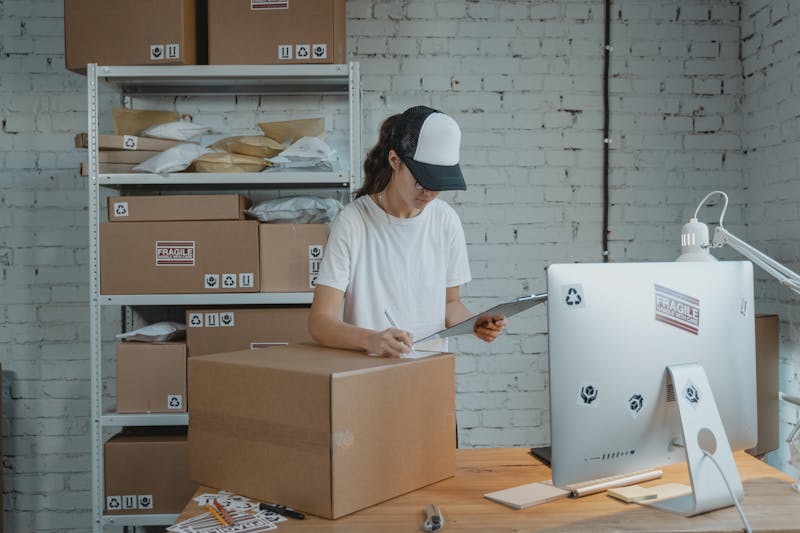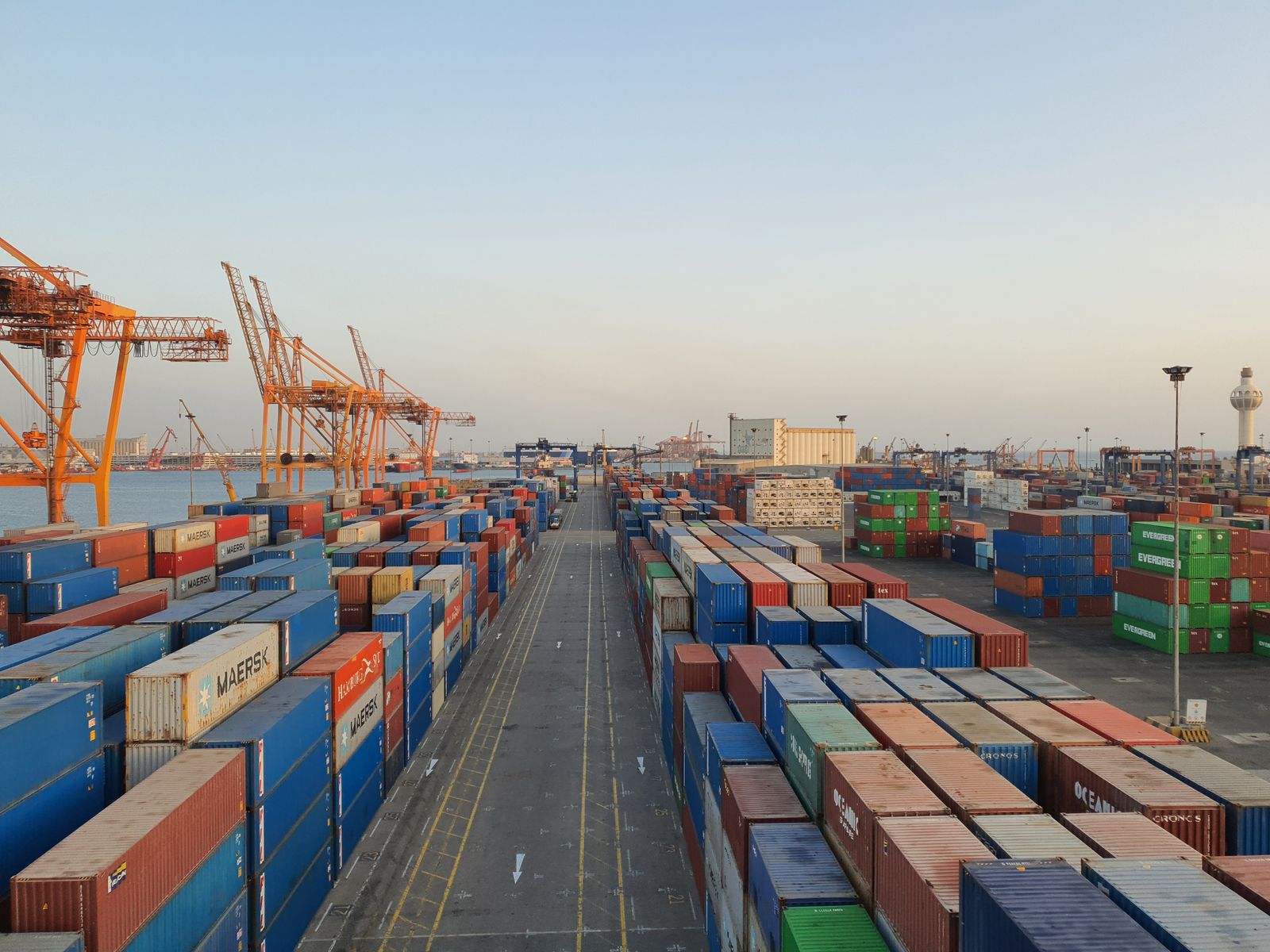
If your shipment is under about 13 cubic metres, LCL is usually cheaper. Above about 15, book a full container. That's the short answer to FCL vs LCL for most Australian importers bringing goods in from Asia, but the real decision also turns on how fragile the goods are, how fast you need them and the local charges at the Australian end. A 20ft box holds about 33 cubic metres, so full container rates win long before the container is full.
Below, each factor is compared with 2026 rates, transit times and a worked break-even.
FCL and LCL at a glance
| Factor | FCL (full container load) | LCL (less than container load) |
|---|---|---|
| How you pay | Per container, full or not | Per cubic metre or tonne, with a minimum |
| Typical China to east coast ocean freight (2026) | 20ft about $1,500 to $3,500; 40ft about $2,500 to $5,000 | About $90 to $180 per cubic metre |
| Port to port transit | About 17 to 22 days direct, Shanghai to Sydney | About 20 to 30 days including consolidation |
| Handling | Sealed at the factory, opened at your door | Packed with others, unpacked at a depot |
| Damage risk | Lower | Higher, more touch points |
| Biosecurity holds | Only your cargo affects the box | One problem consignment can delay the whole container |
| Best for | Over about 15 cubic metres, fragile or high-value goods | Small, trial or urgent-but-small orders |
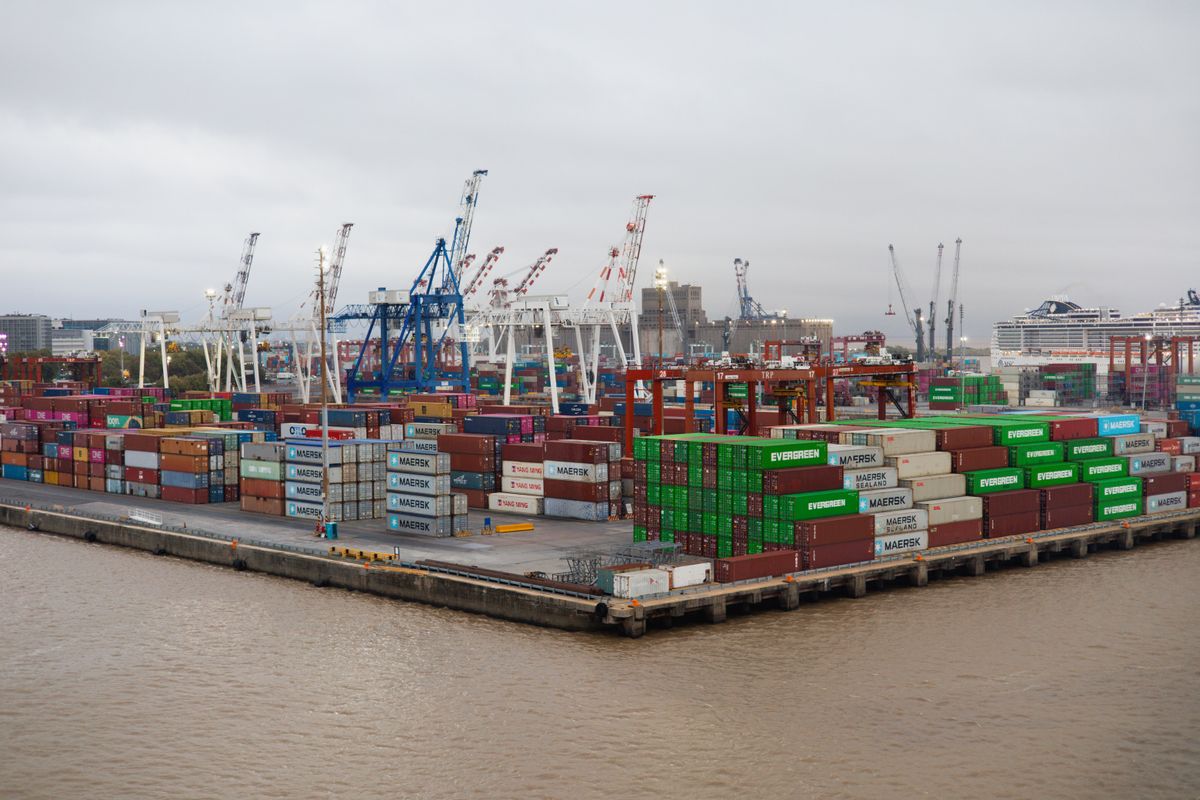
Container sizes and what fits
Sea freight is priced by space, so the first job is knowing your volume in cubic metres. Multiply each carton's length, width and height in metres, multiply by the number of cartons, and add pallets if you're using them.
| Container | Internal volume | Practical loadable volume | Typical use |
|---|---|---|---|
| 20ft standard | About 33 cubic metres | About 25 to 28 cubic metres | Heavy goods, a single product range |
| 40ft standard | About 67 cubic metres | About 55 to 60 cubic metres | Mixed ranges, larger orders |
| 40ft high cube | About 76 cubic metres | About 65 to 68 cubic metres | Bulky, light goods such as furniture |
Weight matters as well as space. A 20ft container suits dense goods such as tiles or steel because road weight limits often bite before the container is full. Light, bulky items such as cushions or plastic homewares fill a high cube long before they hit weight limits.
Which is cheaper per cubic metre?
FCL almost always wins per unit once you have meaningful volume. Navo24's lane data for November 2026 shows a 20ft from Shanghai to Sydney at about US$2,165 to US$2,990 port to port. Spread across 33 cubic metres, that's roughly US$66 to US$91 per cubic metre, well below typical LCL rates.
LCL looks cheap on a small shipment because you only pay for your space. The catch is the destination end. Unpacking at a container freight station brings depot fees, deconsolidation charges, documentation fees and sometimes minimum charges, which can add several hundred dollars to a two or three cubic metre consignment.
Worked break-even example
Here's an illustrative comparison for goods from Ningbo to Melbourne, using midpoints from the 2026 ranges above. These are example figures, not quotes.
| Volume | LCL ocean at $135 per cubic metre | LCL destination charges (estimate) | LCL total | 20ft FCL ocean | FCL destination charges (estimate) | FCL total |
|---|---|---|---|---|---|---|
| 5 cubic metres | $675 | $700 | $1,375 | $2,500 | $1,100 | $3,600 |
| 10 cubic metres | $1,350 | $1,000 | $2,350 | $2,500 | $1,100 | $3,600 |
| 15 cubic metres | $2,025 | $1,300 | $3,325 | $2,500 | $1,100 | $3,600 |
| 18 cubic metres | $2,430 | $1,480 | $3,910 | $2,500 | $1,100 | $3,600 |
| 25 cubic metres | $3,375 | $1,900 | $5,275 | $2,500 | $1,100 | $3,600 |
In this example the lines cross between 15 and 18 cubic metres. On a busier lane or in peak season the crossover moves, which is why many forwarders quote both options once you're past ten cubic metres.

Transit time: which is faster?
On paper the ocean leg is the same, because LCL boxes travel on the same ships. The difference sits at both ends.
With LCL, your cartons go to a consolidation warehouse at origin, wait until the forwarder has enough cargo to fill a container for your destination, then sail. At the Australian end the container goes to a depot, gets unpacked, sorted, cleared and released consignment by consignment.
| Stage | FCL | LCL |
|---|---|---|
| Factory to port | Container loaded at the factory and trucked to port | Cartons trucked to a consolidation warehouse |
| Waiting at origin | Book the next suitable sailing | Wait for the consolidation cut-off, sometimes a week |
| Ocean transit, Shanghai to Sydney | About 17 to 22 days direct | Same vessel times |
| Arrival to release | Clearance, then collect the box | Unpack at depot, then clearance and release |
| Typical extra time | None | Often 5 to 10 days door to door |
Chinese New Year shifts both. Factories close for one to two weeks and rates and backlogs climb either side, so any order crossing late January or February needs a buffer, especially for LCL, where consolidation sailings can be skipped.
Damage, security and biosecurity
Handling risk
An FCL container is sealed at the factory and stays sealed until it reaches your dock, unless customs or biosecurity open it. LCL cargo is loaded alongside other importers' goods, unloaded and reloaded, which means more forklifts and more chances for crush damage. Strong cartons, palletising and stretch wrapping matter far more with LCL.
Biosecurity holds affect everyone in the box
Australia's biosecurity system looks at the whole container. If another importer's consignment has untreated timber packaging or undeclared plant material, the entire LCL box can be directed for inspection or treatment, delaying your cargo even though your paperwork is perfect. The Department of Agriculture's BICON database sets out conditions by commodity, and ISPM 15 stamped pallets are the simplest precaution.
Government charges, by contrast, don't change between modes. A full import declaration over $1,000 attracts the same $50 or $152 import processing charge and a $71 sea biosecurity charge from 1 July 2026, according to the Australian Border Force.
Local charges at the Australian end
Ocean freight is the most visible number on a quote, and often not the largest. Australian landside costs include:
- terminal handling and infrastructure surcharges at the stevedore
- container park or depot fees, including deconsolidation for LCL
- customs broker fees, commonly $150 to $400 a shipment
- delivery from the wharf or depot to your premises
- container detention if a box is kept past the shipping line's free days
- a side loader or tilt tray if your site has no forklift or dock
FCL importers also need to plan the unpack. A 20ft container of loose cartons can take two or three people several hours to unload by hand. Side loaders drop the box on the ground so you can unpack over a day, while a dock lets a forklift drive straight in.
For importers in Victoria, General Carrying's container cartage service is one option that handles wharf collection, delivery and storage, which can simplify FCL for businesses without their own dock. Ask any carrier about side loader availability, waiting time charges and how they handle detention deadlines.
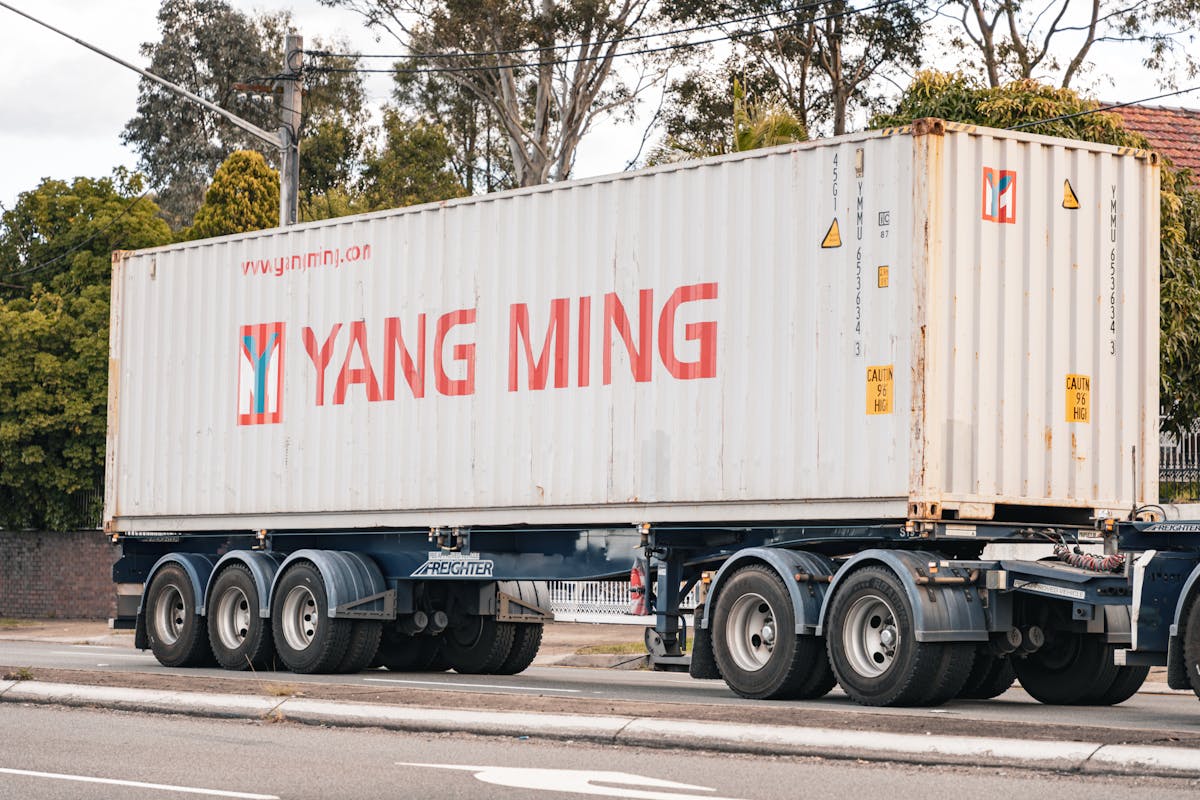
Incoterms decide who books the freight
Whether you ship FCL or LCL, the Incoterm on your purchase order decides who books the container and who pays for each leg. It changes how much control you have over the choice.
| Incoterm | Who arranges ocean freight | What it means for FCL vs LCL |
|---|---|---|
| EXW (ex works) | You, from the factory door | Full control; you also handle export clearance in China |
| FOB (free on board) | You, from the origin port | The most common choice for Australian importers; you pick the mode |
| CIF (cost, insurance, freight) | Supplier, to the Australian port | Supplier may choose LCL to save money; destination charges land on you |
| DDP (delivered duty paid) | Supplier, all the way to your door | Simple, but you can't see how the cargo moved or what it cost |
Many importers find CIF quotes look cheaper until the Australian destination charges arrive. With LCL in particular, the supplier's forwarder may have little interest in keeping depot fees low, because you pay them. FOB lets your own forwarder quote both modes and gives you one point of contact for the whole move.
Insurance and liability
Carrier liability for lost or damaged cargo is limited by international conventions and is often far below the goods' value. Marine cargo insurance closes that gap and costs a small percentage of the insured value.
It matters more with LCL. More handling means more risk, and in a general average event, where a ship's owner declares shared losses after an incident at sea, every cargo owner on board can be asked to contribute before their goods are released. Insured importers have the insurer deal with that guarantee. Uninsured ones may have to pay cash to get their cargo back.
Quote traps to watch for
- An LCL quote that shows ocean freight only, with destination charges described as "at cost"
- A minimum charge, often 1 cubic metre or more, applied to tiny shipments
- Weight to volume conversions, where heavy cargo is charged as if it were larger
- FCL quotes that exclude the Australian terminal surcharges or the delivery truck
- Free days for container detention that are shorter than you need to unpack
Ask for an itemised door to door quote, in writing, with each charge named and in Australian dollars. Then compare the total per unit landed, not the line that says "ocean freight".
Who should choose which?
The first-time online retailer
Ordering 300 units of a new product at about 4 cubic metres? LCL is the sensible choice. You keep cash free, test demand and avoid paying for empty space. Put the money saved into proper cartons and insurance.
The growing wholesaler
At 12 to 20 cubic metres a month, get both quotes every time. Many businesses in this range move to FCL and accept a part-empty box, because the damage, delay and depot savings outweigh the extra freight.
The importer of fragile or high-value goods
Glassware, ceramics, electronics and furniture often justify FCL even at modest volumes. Fewer touch points means fewer claims, and a sealed box is harder to pilfer.
The importer combining several suppliers
Several small orders from one region can be consolidated at origin into a single FCL by your forwarder. That replaces several sets of LCL destination charges with one container and one delivery. It also gives you a single set of documents for the customs broker, which tends to mean fewer queries and a faster release at the Australian end.
How to choose, step by step
- Measure total volume and weight from the supplier's packing list.
- Check your goods against BICON and arrange ISPM 15 pallets if needed.
- Ask your forwarder for an LCL and an FCL quote, door to door, including destination charges.
- Compare total landed cost per unit, not ocean freight alone.
- Add the value of time: a week less stock-out can be worth more than the freight difference.
- Confirm how the goods will be unloaded at your site before you book FCL.
Putting it together
Use LCL for small or trial shipments under about 13 cubic metres, and move to a 20ft FCL once you're past about 15, or sooner for fragile, high-value or time-sensitive goods. Always compare door to door quotes that include Australian destination charges, because that's where LCL's apparent saving often disappears.
Sources
- Threadline Sourcing, "What it costs to ship a container from China to Australia (2026)", 13 June 2026, accessed 18 November 2026, https://threadlinesourcing.com/blog/shipping-container-cost-china-to-australia
- Navo24, "Freight rates from Shanghai to Sydney", accessed 18 November 2026, https://navo24.com/freight-rates/lanes/from-china-to-australia/from-shanghai-to-sydney/
- Maskura Logistics, "FCL vs LCL China to Australia: 2026 Pricing and Guide", accessed 18 November 2026, https://maskuralogistics.com/fcl-vs-lcl-china-to-australia/
- Australian Border Force, "Import processing charges", accessed 18 November 2026, https://www.abf.gov.au/importing-exporting-and-manufacturing/importing/cost-of-importing-goods/charges/import-processing-charge
- Australian Border Force, "Australian Customs Notice 2026/23", accessed 18 November 2026, https://www.abf.gov.au/help-and-support-subsite/CustomsNotices/2026-23.pdf
- Department of Agriculture, Fisheries and Forestry, "BICON", accessed 18 November 2026, https://bicon.agriculture.gov.au/BiconWeb4.0
- Dantful, "Container Shipping Costs from China to Australia", accessed 18 November 2026, https://www.dantful.com/container-shipping-costs-from-china-to-australia/
FAQ
What is the difference between FCL and LCL?
FCL, full container load, means you book a whole container for your goods. LCL, less than container load, means your cargo shares a container with other importers and you pay by volume, usually per cubic metre.
When is FCL cheaper than LCL?
As a rule of thumb, once your shipment passes about 13 to 15 cubic metres, a 20ft container becomes cheaper than paying LCL rates. The exact break-even depends on the lane, the season and the destination charges.
Can I ship FCL if I don't fill the container?
Yes. You pay for the whole box whether it's full or not. Many importers choose FCL at 60 to 70% full because it avoids LCL handling, damage risk and delays from other people's cargo.
Why are LCL destination charges so high?
Your cargo has to be unpacked at a container freight station, sorted and released separately. Depot fees, deconsolidation charges and documentation fees are billed per shipment or per cubic metre, which hits small consignments hardest.
How long does LCL take from China to Australia?
Ocean transit is similar to FCL, but consolidation at origin and unpacking at destination add time. Expect roughly 20 to 30 days port to port and longer door to door.
About VLD Business Desk
VLD Business Desk is the VLD editorial byline for business and small business writers. Articles are researched from official and primary sources, which are listed at the end of each piece.