Few hotel decisions touch as many teams as the toiletries in the shower. Housekeeping fills and checks them, purchasing pays for them, the brand team cares how they look, and guests notice straight away if the shampoo is thin or the bottle is empty.
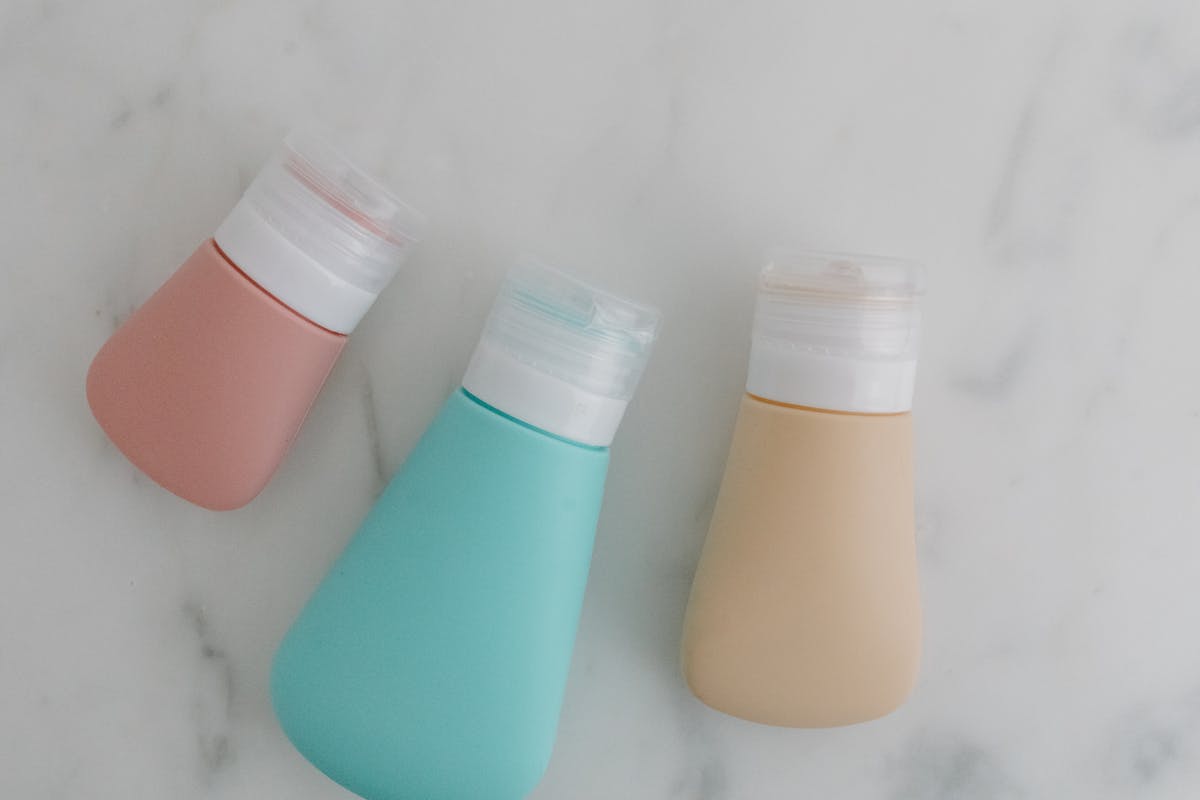
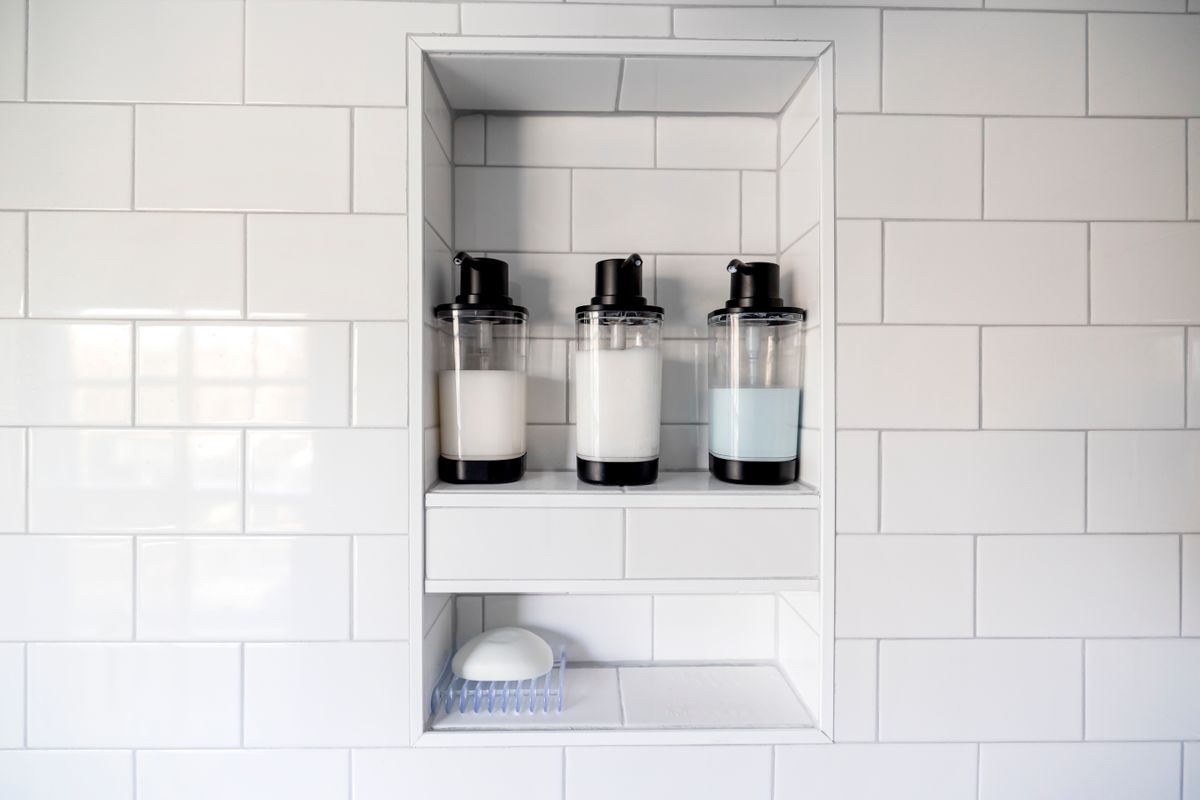
Over the past few years, many large hotel groups have swapped miniature bottles for larger pump bottles and wall mounted dispensers. Several governments overseas have made the switch compulsory.
The three main formats
Most accommodation providers choose from three formats, and some mix them across room types.
| Format | How it works | Waste | Hygiene control | Typical fit |
|---|---|---|---|---|
| Miniatures | Small single-use tubes or bottles, replaced for each stay | Highest; small bottles are rarely recycled | Sealed until opened by the guest | Traditional rooms, gifting, guests who take them home |
| Refillable dispensers | Wall mounted or freestanding units refilled from bulk containers | Lowest packaging per stay | Depends on locks and refill practice | High volume, budget and select service properties |
| Sealed pump bottles or cartridges | Larger bottles or cartridges in a locked bracket, replaced, not refilled, when empty | Low; larger bottles can go in recycling | Sealed by the manufacturer | Properties wanting dispensers without on-site refilling |
Marriott said in 2019 that a typical large pump bottle holds as much product as about 10 to 12 tiny bottles. It also said tiny bottles are not usually recycled, while larger bottles can be recycled with other basic containers. That one fact explains most of the waste case for switching.
What do the rules say in Australia?
At the time of writing, there is no Australian state or territory ban on hotel miniature toiletries. State bans on single-use plastics have focused on food and drink items. The Queensland list of banned single-use plastics, for example, covers straws and stirrers, plates, unenclosed bowls and cutlery, polystyrene takeaway containers and cups, plastic stemmed cotton buds, loose polystyrene packaging, and plastic microbeads in rinseable personal care and cleaning products.
Executive Traveller reported that while several Australian states ban single-use plastics such as bags and cutlery, none cover hotel toiletries, and that many hotels have moved to larger pump bottles anyway.
Two Australian rules still matter for your amenities:
- Microbeads. Queensland bans plastic microbeads in rinseable personal care products, and the NSW EPA says NSW phased them out of some rinse-off personal care products in 2022. Ask your supplier to confirm that shower gels and scrubs are microbead free.
- The next wave of plastics laws. NSW passed the first stage of its Plastics Plan 2.0 legislation on 22 October 2026. The plan stages new actions between 2026 and 2030, mostly aimed at bags, foamed plastics, food packaging and labelling. Toiletry bottles are not on its list, but the direction of policy is clear.
Because the rules are moving, it makes sense to choose a system that would still work if minis were restricted later.
Overseas rules that shape what suppliers make
Even if your property is in Australia, overseas laws affect you. Large amenity brands sell into these markets and are redesigning their ranges to suit them.
| Jurisdiction | What is restricted | Start date |
|---|---|---|
| California, USA (AB 1162) | Lodging cannot provide small single-use plastic bottles of shampoo, conditioner or body wash under 6 ounces in guest rooms or shared bathrooms | 1 January 2023 for properties over 50 rooms; 1 January 2024 for 50 rooms or fewer |
| New York State, USA | Hotels cannot stock mini toiletries | January 2025 for hotels with 50 rooms or more; January 2026 for smaller hotels |
| European Union (Regulation 2025/40, Annex V point 5) | Single-use packaging for cosmetics, hygiene and toiletry products in accommodation, intended for one booking and thrown away before the next guest, whatever the material | 1 January 2030 |
Two details are worth noting. The EU rule is not limited to plastic, so a paper or aluminium mini is caught too. And the final EU text dropped the 50 ml and 100 g size limits that appeared in the 2022 proposal, so the test is whether the packaging is meant for one booking, not how small it is.
If you buy from a global supplier, ask which of its ranges are designed for these markets. Those ranges are often the most current.
How much do minis and dispensers cost?
Prices vary too much by brand, volume and contract for a single benchmark to be useful. What matters is comparing the two options on the same basis.
Paul Hodge, writing in Green Lodging News, makes the key point: minis were a simple fixed cost per room night, while dispensers make the cost variable. With a mini, you know the unit price per stay. With a dispenser, you need to work out the price per millilitre of the bulk product and how much guests actually use each night.
Use this worksheet to compare options on a cost per occupied room night:
| Cost item | Minis | Dispensers or sealed bottles |
|---|---|---|
| Product | Unit price x items per stay | Price per ml x average ml used per room night |
| Packaging and waste | Bin and collection costs for used minis | Bulk containers or used cartridges |
| Hardware | None | Brackets, units, keys, replacement parts |
| Installation | None | Labour, plus rooms out of use while units are fitted |
| Labour | Placing new items each stay | Checking levels and refilling or replacing |
| Losses | Guests taking unused items home | Product left in partly used cartridges |
To fill in the usage line, measure it. Hodge suggests piloting two to four vendors on about 5% of your rooms, factoring in the cost of taking rooms out of use for installation, and noting that some mounting systems can take 48 to 72 hours to seal. He also suggests asking vendors to run pilots at their own cost, with brackets, keys, product and instructions supplied.
Waste: what the big hotel groups found
The largest hotel groups have published figures that show the scale of miniature waste.
Marriott. In August 2019, Marriott International announced it would replace tiny shampoo, conditioner and bath gel bottles with larger pump bottles across most of its hotels by December 2020. It said that once fully in place, the program would prevent about 500 million tiny bottles a year from going to landfill. That is about 1.7 million pounds of plastic, a 30% annual cut in its amenity plastic. At the time, about 1,000 of its properties in North America had already switched, and the company said these hotels reported overwhelmingly positive guest feedback.
IHG. In July 2019, IHG said it would move to bulk-size amenities across its estate, with the change planned for completion in 2021. It said it used about 200 million bathroom miniatures a year.
Those figures come from very large portfolios, but the logic holds for a 20 room motel too. Every occupied night with minis creates a handful of small, part used containers that rarely get recycled.
Larger bottles are still plastic. AP News reported that Marriott planned to replace, not refill, its larger bottles when they ran low, and that the company said they were easier to recycle than small ones. If your goal is the least packaging, a bulk refill system goes further. If your goal is simplicity and hygiene, sealed bottles are a middle path.
Are refillable dispensers hygienic?
This is the most common guest concern, and it is a fair one. A dispenser that anyone can open could be tampered with.
The fix is in the design. Hodge's advice is that every dispensing unit, refillable or not, should have a closed design so guests cannot get inside the bottle. He lists three ways to do this:
- A locked collar. Housekeeping uses a key to open the top and refill.
- A non-refillable bottle. The whole bottle is replaced when empty.
- A squeeze-locked cartridge. A sealed cartridge sits inside a bracket and is swapped out.
AP News reported that Marriott had to do a lot of work to design tamper resistant large bottles and get suppliers on board before the rollout. That is a sign of how seriously large operators take this.
A few practical hygiene habits help further:
- Never top up a refillable unit with a different product or an unlabelled container.
- Clean the dispenser exterior and pump head as part of the bathroom clean.
- Keep refill stock sealed and stored off the floor.
- Record refills, so you can trace a batch if there is a complaint.
Matching the format to your property
There is no single right answer. These are general patterns, not rules.
Budget and select service. High occupancy, short stays and a focus on cost make wall mounted dispensers or sealed bottles a natural fit. They also reduce the time staff spend restocking small items.
Boutique and luxury. Guests may expect branded products and a sense of occasion. One option is full size branded bottles in locking brackets, which look generous and avoid the waste of minis.
Serviced apartments and long stays. Guests stay for days or weeks, so a full size bottle that lasts the whole stay is often better than restocking minis daily.
Resorts with separate baths. Hodge points out that properties with walk-in showers and freestanding baths may need different solutions for each, such as a mounted dispenser in the shower and a sealed bottle at the bath.
Events and function venues. If your shared bathrooms at conference and wedding spaces already use mounted soap dispensers, extending the same system to accommodation rooms can simplify purchasing.

Making the switch: a checklist
If you decide to move away from minis, a staged approach reduces risk.
- Read the actual rules for every market you serve. If you are part of an international brand, check whether its standards already require dispensers.
- Pilot before you commit. Test two to four systems on a small share of rooms and track product use, staff time and guest comments.
- Check the hardware warranty and refill process. Ask each vendor to explain the fine print, including replacement parts and what happens if a bracket breaks.
- Make levels visible to housekeeping, not guests. Hodge recommends labels with a side window so staff can see when to refill, so bottles are never close to empty.
- Do not trade down on product quality. Guests notice cheaper formulas. Hodge also notes that lower quality conditioners can separate and body washes can thicken if a room sits empty for a few days.
- Tell guests why. A small card in the bathroom explaining the change helps guests see it as a sustainability step, not a cost cut.
- Plan for the minis you still need. Consider keeping a small stock of travel items at reception for guests who ask.
Where to source amenities in Australia
When you compare suppliers, ask for a sample of each product, the price per millilitre for bulk refills, the bracket and lock options, and confirmation that products meet Australian rules such as the microbead bans. A supplier like Swisstrade can talk you through dispenser and bottle ranges for different room types, which makes it easier to run a fair pilot.
Next steps
Minis are simple and familiar, but they create a lot of small, rarely recycled waste. Large groups such as Marriott and IHG have already moved away from them, and California, New York and the EU now restrict them. Australia has no ban yet, but microbead bans already apply and plastics laws keep tightening. If you are weighing a switch, cost each option per occupied room night, insist on a closed, tamper resistant system, and run a pilot before you change the whole property.
Sources
- Marriott International, "Marriott International to eliminate single-use shower toiletry bottles from properties worldwide", 28 August 2019, accessed 18 November 2026, https://marriott.gcs-web.com/news-releases/news-release-details/marriott-international-eliminate-single-use-shower-toiletry
- IHG, "End of the road for bathroom miniatures as IHG opts for bulk-size amenities", 2019, accessed 18 November 2026, https://www.ihgplc.com/en/news-and-media/news-releases/2019/end-of-the-road-for-bathroom-miniatures-as-ihg-opts-for-bulk-size--amenities-to-reduce-plastic-waste
- AP News, "Marriott banning little shampoo bottles by 2020", accessed 18 November 2026, https://apnews.com/article/815db125e6904e1a835a612c6bc3c23a
- Paul Hodge, "Dos and don'ts of transitioning from single-use personal amenities to bulk-size dispensing systems", Green Lodging News, 5 December 2022, accessed 18 November 2026, https://www.greenlodgingnews.com/dos-and-donts-of-transitioning-from-single-use-personal-amenities-to-bulk-size-dispensing-systems/
- California Legislative Information, "AB-1162 Lodging establishments: personal care products: small plastic bottles", accessed 18 November 2026, https://leginfo.legislature.ca.gov/faces/billTextClient.xhtml?bill_id=201920200AB1162
- Executive Traveller, "New York bans small shampoo, body lotion bottles from hotels", accessed 18 November 2026, https://www.executivetraveller.com/news/new-york-europe-single-use-hotel-toiletry-ban
- packagingregulation.org, "PPWR banned packaging: 6 Annex V formats from 1 January 2030", accessed 18 November 2026, https://packagingregulation.org/requirements/restrictions/
- Suitality, "EU packaging rules 2030 for hotels and restaurants", accessed 18 November 2026, https://suitality.com/blogs/suitality-news/eu-packaging-rules-2030-hotel-amenities
- Queensland Government, "Banned single-use plastic items", accessed 18 November 2026, https://www.qld.gov.au/environment/waste-reduction-recycling/reduction/plastic-pollution/single-use-plastic-products-ban/about
- NSW EPA, "Plastics Plan 2.0", accessed 18 November 2026, https://www.epa.nsw.gov.au/Your-environment/Plastics/plastics-plan-20
FAQ
Are hotel mini toiletries banned in Australia?
Not at the time of writing. State single-use plastic bans cover items such as straws, cutlery, plates and polystyrene containers. Hotel toiletry bottles are not on those lists, although rules keep changing, so check with your state environment agency.
Are refillable shampoo dispensers hygienic?
They can be if the system is closed. Guests should not be able to open the bottle. Use a locked collar that only housekeeping can open, a sealed cartridge, or a non-refillable pump bottle that is replaced when empty.
Are dispensers cheaper than minis?
It depends on your product price per millilitre, how much guests use and the hardware cost. Work out a cost per room night for each option, and run a small pilot before switching the whole property.
What happens to hotel minis in the EU?
From 1 January 2030, the EU Packaging and Packaging Waste Regulation bans single-use packaging for toiletries in accommodation that is meant for one booking and thrown away before the next guest arrives.
About VLD Business Desk
VLD Business Desk is the VLD editorial byline for business and small business writers. Articles are researched from official and primary sources, which are listed at the end of each piece.