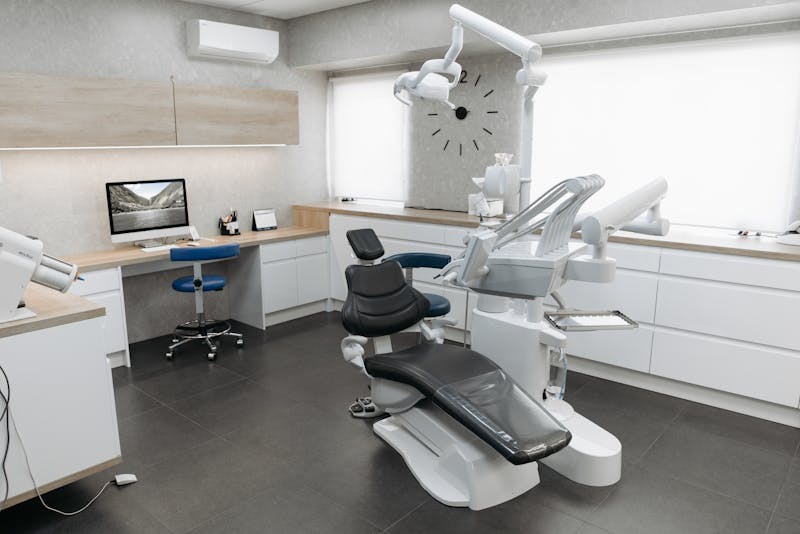
A chair, a lamp, a tray of tweezers and a booking app is what a lash studio looks like from the street. No national beauty salon licence exists to match that simple picture. The requirement depends on your state, your council, and the service list: lashes only, or also waxing, tint, needling, laser or any work that breaks the skin. Settle that classification first. Fit the room out so it can actually be cleaned after that.
Do you need a licence, or a registration?
More than the business name, the service list is what matters. Several states treat a studio that only applies eyelash extensions differently from one that also waxes, cuts cuticles, or does electrolysis, cosmetic tattooing or skin needling. Councils use that difference to decide what you need: a higher-risk licence, a premises registration, a simple notification, or only planning approval and ordinary business papers.
| Jurisdiction | Typical position for a lash or beauty studio | Who to ask first |
|---|---|---|
| Victoria | Premises offering beauty therapy, including eyelash extensions, must register with the local council under the Public Health and Wellbeing Act | Council environmental health |
| Queensland | Beautician services such as waxing, nails, electrolysis and cosmetics generally do not need a higher-risk personal appearance services licence. Skin-penetration work that releases blood or other bodily fluids does | Council, plus Queensland Health guidance |
| New South Wales | Skin-penetration procedures are regulated under the Public Health Regulation 2022 and usually need council registration. Eyelash extensions, tinting and similar non-piercing beauty are often outside that scheme, but many councils still require notification or registration under local government rules | Council environmental health, and NSW Health fact sheets |
| Western Australia | Operators who perform skin-penetration procedures must comply with the Health (Skin Penetration Procedures) Regulations 1998 and the Code of Practice, and must notify the local government before opening | Local government environmental health, and WA Health |
| Other states and territories | Rules sit with the local council and the state or territory health department. Do not copy a Queensland or Victorian setup and assume it is enough | Your council, before you sign a lease |
You will almost always also need an ABN, and you may need planning or building approval for the use of the premises, a construction or occupancy certificate, and ordinary business insurance. Those are separate from the public-health registration.

Victoria: register the premises
Direct language is what you get from Victorian councils. All beauty, hair and skin-penetration businesses must register with the local council and comply with the Public Health and Wellbeing Act 2008 and its regulations, according to the City of Greater Bendigo. Beauty therapy is on its application list, and eyelash extensions are named alongside waxing and nail treatments. Registration under the same Act is also required by the City of Greater Geelong for beauty businesses, and eyelash extensions appear among its beauty-therapy activities.
Both councils split work into lower and higher risk. Geelong treats eyelash and eyebrow extensions or tinting, temporary make-up and spray tanning as lower risk, and treats waxing, threading, manicuring, laser, IPL, piercing, tattooing and colonic irrigation as higher risk. Bendigo allows some lower-risk businesses to apply for ongoing registration, and defines lower-risk beauty therapy as cosmetics that do not involve skin penetration or tattooing, including eyelash and eyebrow tinting, spray tans, temporary make-up and henna tattoos.
You will need to submit floor plans. Show the benches, sinks, hand-wash basins, waste, floors and finishes. Bendigo says plan checks take at least 14 days. Geelong says a health officer will inspect before you open. Bendigo's registrations expire on 30 June, and renewal papers go out in May. If you miss the renewal, you are no longer registered.
Queensland: licence the higher-risk work
A different split is used in Queensland. A licence is required, Brisbane City Council says, to provide higher-risk personal appearance services, meaning skin penetration that results in the release of blood or other bodily fluids, and also for implanting substances into the skin and for some tattoo-removal work. Beautician services including waxing, nail sculpting, electrolysis and applying cosmetics do not need that licence, the council says.
If you need the higher-risk licence, staff who do that work must hold the infection-control unit HLTINF005 (Maintain infection prevention for skin penetration treatments). Attach their statements of attainment to the application. Brisbane's published fees do not attract GST. A new licence is $1,055.30. An extra premises is $463.65. Renewal or transfer is $565.45. An inspection is $463.65. Check the current amount before you pay. If you are outside Brisbane, ask your own council, because fees differ across Queensland.
A lash-only studio in Queensland may therefore not need the higher-risk licence. It may still need planning approval, a certificate of occupancy, and a clean, inspectable premises. Ask the council in writing, with your full service list, rather than relying on a Facebook group.
New South Wales: skin penetration is the tripwire
Waxing, electrolysis, cuticle cutting, razor scraping and cosmetic tattooing are treated by NSW Health as skin-penetration procedures. The Public Health Regulation 2022 is the rule those procedures must comply with. Equipment that breaks the skin must be sterile before use. Reused items must be steam-sterilised in a benchtop autoclave that meets AS 5369:2023. Needles must be sterile and single use, and they go straight into a sharps bin that meets AS 23907:2023. Waste with blood or body fluid goes in a clinical waste bin, collected by a licensed contractor.
Hygiene rules in the same fact sheet are specific enough to train staff from:
- Clean and dry equipment after use, and keep the premises clean
- Clean treatment benches between clients, or use a clean covering
- Document cleaning procedures and train staff in them
- Decant liquids, creams, inks and pigments into single-use containers, with a new applicator for each person
- If you wax, dispose of the wax and the spatula, roller or cartridge immediately. No double dipping
- Wear a clean gown or apron and single-use gloves for skin-penetration procedures (this does not apply to waxing unless exposure to bodily substances is expected)
- Wash hands before and after a client, before and after a procedure, after contact with a body substance, and after removing gloves
NSW Health also says beauticians cannot supply a Schedule 2 product to clients, in any case. If a client wants a numbing cream, they can buy it from a pharmacy for their own use. Stronger, prescription-only injectables are different. Only a doctor or a nurse practitioner may give medicines such as botulinum toxin or hyaluronic acid fillers.
On-the-spot fines range from $110 to $1,100 for a person, and from $220 to $2,200 for a company. Court penalties can be higher. Improvement notices and ban orders can also come with fees of $302 to $316. A re-check after a ban order costs $255 an hour.
Eyelash extensions, tinting, spray tans and make-up are often described by NSW councils as non-piercing beauty, which is not regulated under the Public Health Act in the same way as waxing. That does not mean you can ignore the council. Campbelltown City Council, for example, still wants home-based hair, beauty and skin-penetration businesses notified, and it may require development consent, especially for skin-penetration work including waxing.

Western Australia and the other jurisdictions
Operators who perform skin-penetration procedures must comply with the Health (Skin Penetration Procedures) Regulations 1998 and the Code of Practice for Skin Penetration Procedures, WA Health says. Tattooists, body piercers, beauty therapists and acupuncturists are covered. Before opening, notify the local government of your trading name, address and the procedures you plan to perform, and provide a layout showing basins, sinks, and the materials used for floors and benches. Mobile workers may only do skin-penetration work if every place they work is registered, and if they follow the Code.
If your WA studio only applies lashes and never breaks the skin, ask the council in writing whether notification is still required. Do not guess. For South Australia, Tasmania, the ACT and the Northern Territory, the same advice holds: start with the local environmental health officer and the state or territory health department, and get the answer for your actual service list.
What does good hygiene look like on the floor?
In some states, lash work may sit in a lower-risk group. Clients still lie close to the eye, on a shared bed, with glues and tapes that can irritate skin. The basic standard NSW sets for beauty rooms is a sensible floor rule even where the legal category is lighter. You need a room you can clean, a basin for washing hands, tools that are single use or properly cleaned, fresh linen or a disinfected cover for each client, and no shared pots of product.
A simple checklist for a lash or beauty bed:
- Wash or sanitise hands, then glove where the procedure requires it
- Clean the bed and lamp between clients
- Use a fresh cover or freshly laundered linen
- Decant adhesive, primer, cleanser and any tint into single-use dishes, or use single-use applicators
- Never double-dip a wax spatula if you also wax
- Dispose of used wipes, pads and lashes into a closed bin
- If you use sharps for any service, use a compliant sharps container
- Keep a written cleaning and incident record
Allergies and eye injuries are the other real risk. A patch-test rule, a health form, and a clear ban on treating an infected or sore eye will do more for the business than a new booking theme. If a client has a reaction, stop. Write it down. Tell them to see a pharmacist, a GP or an eye doctor, as fits the case.
When lashes are only part of the menu
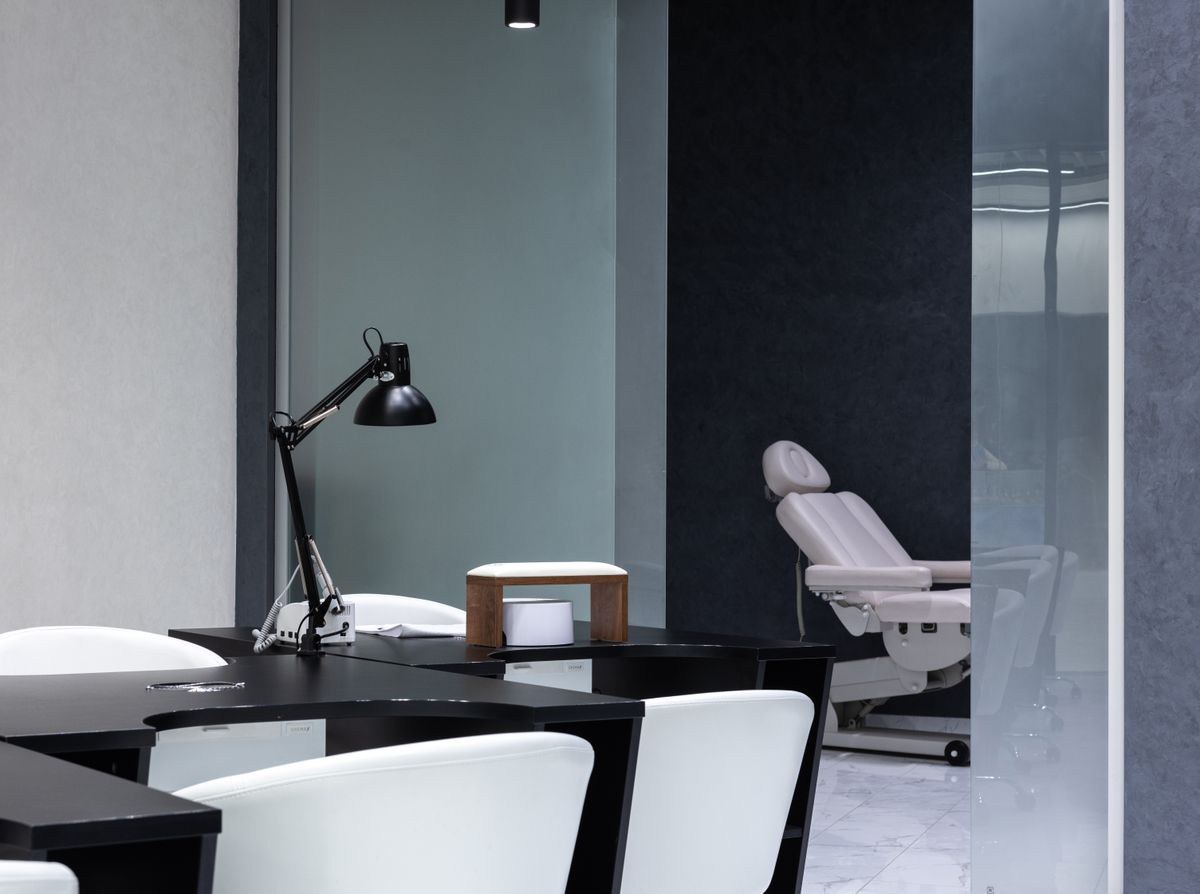
Many studios add brow lamination, tinting, waxing, nails, spray tan, cosmetic tattooing or laser as they grow. Each add-on can change your legal category. Waxing can pull a NSW or Victorian studio into stricter rules. Cosmetic tattooing and needling almost always do. Councils such as Geelong treat laser and IPL as higher risk. Some states also regulate laser equipment separately. Ask the council about the new service before the first paid appointment, not after a complaint.
If you already run, or you want to work to, a specialist lash standard, look at how established operators set out their treatments, aftercare and hygiene. Lash Blossom is one Australian lash-extension studio whose public site you can use as a prompt for the questions a client will ask: what the treatment involves, how long it takes, and how the studio wants the eye area prepared. It is not a substitute for your own council registration.
Before you sign a lease
Have the council conversation while you can still walk away from the shopfront. Ask what registration or licence you need, whether the zoning allows a beauty premises, what sinks and finishes they expect, and whether they will inspect before opening. If the council wants plans, submit them early. Budget for the Queensland higher-risk licence if you will break the skin, for annual Victorian registration, and for clinical-waste and autoclave costs if they apply.
Also sort insurance. You need public liability and cover for treatment risk, plus a simple way to keep client records and photos private. Keep copies of staff certificates, product safety sheets, and letters from the council. If an officer arrives, those files should be in a folder, not in a text thread.
Bottom line
Every service you will sell should be written down first. Then ask the council where that list sits under local public-health law. Premises registration is what Victoria will usually want. Queensland will usually licence only the higher-risk skin-penetration work, at a published Brisbane new-licence fee of $1,055.30. Waxing and other skin-penetration work in New South Wales falls under the Public Health Regulation 2022, with detailed hygiene and waste rules, while lash-only work may be a local notification issue rather than a skin-penetration registration. Build a room you can clean, ban double-dipping, keep adhesives and anaesthetics inside the law, and get the answer in writing before you open.
Sources
- NSW Health, "Beauty treatment businesses", last updated 21 November 2025, accessed 18 November 2026, https://www.health.nsw.gov.au/environment/factsheets/Pages/beauty-treatment.aspx
- Brisbane City Council, "Personal appearance services licence", accessed 18 November 2026, https://www.brisbane.qld.gov.au/laws-and-permits/licences-permits-regulations/personal-appearance-services-licence.
- City of Greater Bendigo, "Beauty, Hair and Skin penetration businesses", accessed 18 November 2026, https://www.bendigo.vic.gov.au/community-services/public-health/beauty-hair-and-skin-penetration-businesses
- City of Greater Geelong, "Health and beauty registration", accessed 18 November 2026, https://www.geelongcity.vic.gov.au/services/business-and-investment/health-and-beauty/registration
- WA Health, "Skin penetration procedures and the law", accessed 18 November 2026, https://www.health.wa.gov.au/articles/s_t/skin-penetration-procedures-and-the-law
- Campbelltown City Council, "Home-based Hair, Skin Penetration and Beauty Businesses", accessed 18 November 2026, https://www.campbelltown.nsw.gov.au/Business/Operating-Your-Business/Hairdressers-Beauty-and-Skin-Penetration-Premises/Home-Hair-Skin-Beauty-Businesses
- Lash Blossom, accessed 18 November 2026
FAQ
Do I need a licence to open a beauty salon in Australia?
Usually you need council approval or registration. You may also need a health licence if you break the skin. The exact beauty salon licence, if any, depends on your state and on the services you offer. Ask your local council first. Do not assume a lash-only studio is exempt until they say so.
Are eyelash extensions classed as skin penetration?
Often no, if you only apply extensions or tint and you do not pierce the skin. NSW treats lash extensions as non-piercing beauty, unlike waxing. Victorian councils still want the premises registered if you offer beauty therapy, including lashes. Microblading, cosmetic tattooing or needling will usually put you in a higher-risk group.
How much is a Queensland personal appearance services licence?
Brisbane City Council publishes a new-licence fee of $1,055.30, a renewal fee of $565.45, a transfer fee of $565.45 and an inspection fee of $463.65. Those fees do not attract GST, and they can change, so confirm them before you apply. Other Queensland councils set their own fees.
Can I run a lash studio from home?
Sometimes, but planning and public-health rules still apply. Some NSW councils require development consent for home-based skin-penetration work, and they may also require notification for hair and non-piercing beauty. Check both the planning scheme and the environmental health unit before you see clients at home.
Can a beautician supply numbing cream or injectables?
NSW Health says beauticians cannot supply a Schedule 2 product to clients. The client may buy a topical anaesthetic from a pharmacy for their own use. Schedule 4 injectables such as botulinum toxin and hyaluronic acid fillers can only be administered by a registered medical practitioner or a nurse practitioner.
About VLD Business Desk
VLD Business Desk is the VLD editorial byline for business and small business writers. Articles are researched from official and primary sources, which are listed at the end of each piece.