Every fleet vehicle eventually leaves the business. It goes back to the leasing company, is traded in or is sold, and its condition on that day affects what it costs you. Interiors are often where the damage shows. A tradie's ute or a delivery van can rack up muddy boots, spilt coffee, tools on the seats and sun damage in a few years of daily use.
Seat covers, floor mats and cargo liners are a cheap way to protect that value.
Why interior condition costs fleets money
The Australasian Fleet Management Association (AfMA) describes fair wear and tear as the degree of deterioration judged reasonable at the end of a lease, given the vehicle's age, kilometres and condition. Fleets returning vehicles with more than that can expect refurbishment charges, or a lower price when the vehicle is sold.
AfMA lists the main causes of excessive wear in fleet vehicles. They include a lack of regular checks, not following the manufacturer's servicing schedule, and drivers not taking responsibility for day-to-day care. It also points out that a company vehicle reflects the company's image, so the bodywork, upholstery and trim should be cleaned regularly.
Interior damage is one of the easier problems to prevent. A torn seat or burnt carpet can't be cleaned away, but a cover or mat that took the damage instead can simply be replaced.
What fleets treat as acceptable wear
Leasing companies and fleet managers use fair wear and tear guides when vehicles are returned. AfMA's guidance on interiors is a useful reference point.
| Interior area | Generally acceptable | Generally not acceptable |
|---|---|---|
| Seats, headlining, carpets | Wear and soiling from normal use; repairs that aren't readily visible | Visible burns, tears or permanent staining; stitching that has come apart |
| Luggage area | Surface scoring and light blemishes from normal use | Torn or split floor coverings and trim panels |
| Light commercial load area | Wear consistent with use, ideally with a liner fitted | Excessive damage to the load area |
| Door treads and sills | Reasonable scuffing | Paint damaged to bare metal, or torn seals |
Individual leasing companies publish their own guides, such as ORIX's fair wear and tear guide, so check the one that applies to your contract. Most follow similar principles: cleanable dirt is expected, permanent damage is charged.

Choosing car seat covers for work vehicles
The right seat cover depends on how the vehicle is used. A sales rep's sedan needs something different from a plumber's ute.
Material. Common options include:
- Canvas, which is tough and resists abrasion, and suits trade vehicles and dirty work
- Neoprene, which is water-resistant and comfortable, and suits vehicles used near water or by people getting in wet
- Faux leather, which wipes clean easily and looks smart in client-facing vehicles
- Polyester and fabric blends, which cost less and suit lighter use
Fit. Custom-fit covers are made for a specific make, model and seat configuration. They follow the seat's shape, stay in place, and leave controls, armrests and seatbelt fittings free. Universal covers are designed to fit a range of vehicles and cost less, but they can sag or shift with heavy daily use.
Ease of cleaning. For fleets, covers that can be removed and washed, or wiped down in the car, save time. Check the care instructions before you buy.
Comfort. Drivers spend hours in these seats. Breathable materials help in hot Australian summers, and covers shouldn't interfere with seat heating or lumbar adjustment.
Seat cover options at a glance
| Option | Strengths | Trade-offs | Best suited to |
|---|---|---|---|
| Custom-fit canvas | Very tough, close fit | Firmer feel, higher cost | Trade utes and vans |
| Custom-fit neoprene | Water-resistant, comfortable | Can feel warm in summer | Coastal, outdoor and wet work |
| Custom-fit faux leather | Wipes clean, looks smart | Can get hot in the sun | Sales and client-facing cars |
| Universal fabric | Low cost, quick to fit | Can shift or sag with heavy use | Pool cars, short-term vehicles |
Whichever option you choose, check that it suits the seat type, including split-fold rear seats, armrests and any seat-mounted airbags.
Are seat covers safe with side airbags?
Many vehicles have side airbags built into the front seats. A seat cover that blocks or slows that airbag is a serious safety risk.
Airbag-compatible seat covers have a seam or opening positioned over the airbag, designed to tear away when it deploys. Fit them exactly as the instructions say, and check regularly that the cover hasn't shifted.
Drive's experts have pointed out that vehicle makers generally don't approve aftermarket covers, because they haven't tested them in every model. Their advice is that genuine manufacturer covers are the safest choice for seats with side airbags. If you use aftermarket covers, choose ones made and labelled for your exact vehicle and its airbags, and check the owner's manual for any warnings.
Safe Work Australia treats a vehicle used for work as a workplace, so employers have a duty to make sure work vehicles are safe and maintained. Fitting accessories that could compromise safety equipment is the kind of risk that duty is meant to manage.
Floor mats and boot liners
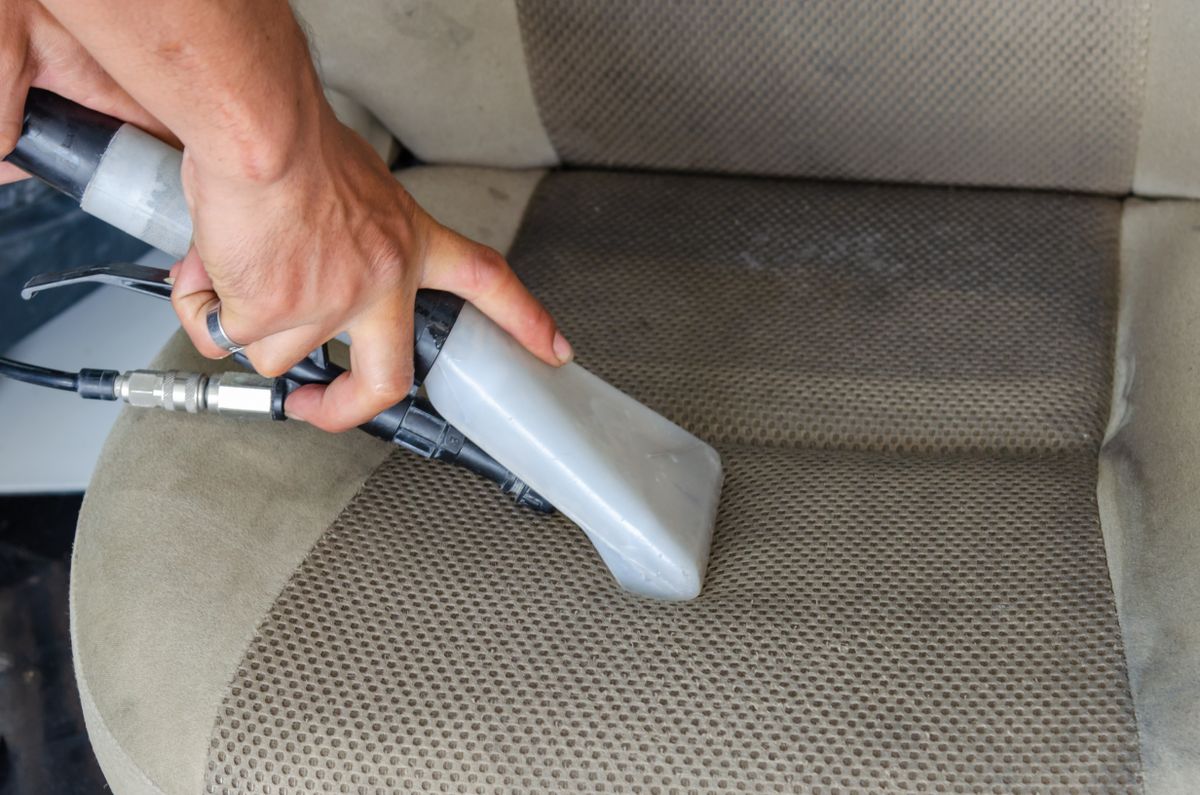
Carpets take more abuse than any other part of the interior. Mud, sand, grease and water all end up there, and wet carpet that never dries properly can lead to smells and mould.
Rubber or all-weather mats with raised edges hold water, mud and debris and can be hosed out. They suit trade, farm and coastal vehicles.
Carpet mats look better and suit client-facing cars, but they absorb spills.
Custom-fit mats follow the floor's contours and cover more of the carpet than universal mats. Fit matters for safety too. A mat that slides forward can interfere with the pedals, so use the vehicle's retaining clips or hooks and never stack one mat on top of another.
Boot mats and cargo liners protect the luggage area, where tools and equipment cause scoring and tears. AfMA specifically recommends fitting a lining in the load area of light commercial vehicles to prevent serious damage.
Which vehicles need the most protection?
Not every vehicle in a fleet needs the same treatment. Think about how each one is used.
- Trade utes and vans carry tools, materials and workers in dirty or wet clothes. Heavy-duty canvas covers, rubber mats and a load area liner make sense.
- Delivery vehicles see constant getting in and out, which wears the outer edge of the driver's seat quickly. A durable cover on the driver's seat is often the most valuable single item.
- Sales and client-facing cars need to look good. Faux leather or quality fabric covers and carpet mats protect seats without making the car look like a work vehicle.
- Pool cars are driven by many people who may not treat them carefully. Easy-clean covers and mats reduce the effort needed between users.
- Vehicles carrying dogs or livestock need covers designed for pets or animals, plus washable cargo protection.
Is interior protection worth the cost?
Interior protection is a small cost compared with refurbishment. Re-trimming a torn seat, replacing a burnt carpet section or professionally removing stains can all cost more than a full set of covers and mats. A damaged interior can also reduce resale value, because buyers judge a used vehicle's care partly by its cabin.
When comparing products, think about cost per year rather than purchase price. A cheaper universal cover that wears out or slides around may need replacing sooner than a custom set. For a vehicle you'll keep for several years, durable products often work out cheaper.
On tax, vehicle accessories bought for business use are generally deductible. The ATO's instant asset write-off lets eligible small businesses with aggregated turnover under $10 million immediately deduct assets costing less than the threshold. For the 2025-26 income year, the threshold was $20,000 per asset. Check the ATO website or ask your accountant about the current year and how the rules apply to accessories.

Setting up a care routine
Protection works best alongside basic care. AfMA recommends a logbook system so drivers and fleet operators can keep track of damage and worsening wear, and a cleaning schedule agreed between drivers and the fleet manager.
A simple routine might include:
- Daily or after each job: remove rubbish, shake out mats and wipe up spills
- Weekly: vacuum seats and carpets, wipe hard surfaces and check covers are positioned correctly
- Monthly: wash removable covers and mats, and check for tears, burns and loose stitching
- Each service: record the interior condition with dated photos
Clear rules help too. Many fleets ban smoking in vehicles, which prevents burns and smells, and some set rules on food and drink. Make sure drivers know who to tell if something gets damaged. Reporting a small tear early, while it can still be stitched or the cover swapped, is far cheaper than finding it at the end of the lease.
Questions to ask a supplier
Buying for a fleet is different from buying for one car. Before placing an order, ask:
- Is the product made for each specific make, model and year in your fleet, including variants with different seats?
- Are the covers compatible with seat-mounted side airbags, and how is that achieved?
- What warranty applies, and does it cover commercial use?
- Can you order replacement pieces, such as a single driver's seat cover, rather than a full set?
- How are the covers cleaned, and can they go in a washing machine?
- How long does delivery take, and is fitting available?
The answer to the replacement-pieces question matters more than many buyers expect. In most work vehicles, the driver's seat wears much faster than the rest, and being able to replace just that cover keeps costs down.
Where to buy
Fleet managers can buy covers and mats from vehicle dealers, automotive retailers and specialist suppliers. Genuine accessories from the vehicle maker are the most straightforward option for seats with side airbags. Specialist suppliers such as Y&D Trading House sell custom-made and universal car seat covers, floor mats and boot mats, and list covers by vehicle model.
Before ordering for a whole fleet, buy one set and trial it in a vehicle for a few weeks. Check the fit, how it handles daily use and whether drivers find it comfortable.
End of lease and resale checks
Before a vehicle goes back to the leasing company or is sold, remove the covers and mats and inspect the original trim. Clean the interior thoroughly, and get any minor damage repaired by a trimmer if it's cheaper than the likely charge. AfMA notes repairs that aren't readily visible are acceptable.
Keep records. Dated photos of the interior at delivery, during the lease and at return help settle disputes about charges.
If you sell vehicles yourself rather than returning them, the same checks apply. A clean, undamaged cabin makes a better first impression on buyers and dealers, and original seats that have spent years under covers can be a selling point. Mention it in the listing, and keep the covers to reuse in a replacement vehicle if they fit. For fleets that renew vehicles of the same model, reusing good covers and mats across vehicles stretches the investment further.
Bottom line
Choosing the right car seat covers for work vehicles, along with good mats and a load area liner, protects the trim that fleets are charged for when vehicles are returned or sold. Match materials to how each vehicle is used, choose covers that suit seats with side airbags, and back the protection with regular cleaning and a logbook. The cost is small next to refurbishment bills and lost resale value.
Sources
- AfMA: Fair wear and tear
- Drive: Do seat covers and seat airbags mix?
- Safe Work Australia: Vehicle hazards
- Comcare: Vehicles as a workplace
- ATO: Instant asset write-off for eligible businesses
- ATO: $20,000 instant asset write-off for 2025-26
- ORIX: Fair wear and tear guide (PDF)
FAQ
Are seat covers safe in cars with side airbags?
Only if they're made for seats with side airbags in your vehicle. Airbag-compatible covers have a tear-away seam over the airbag. Drive's experts note that vehicle makers only approve their own tested covers, so genuine accessories are the safest choice.
What counts as fair wear and tear on a fleet vehicle interior?
AfMA guidance says normal wear and soiling is acceptable, but the interior should have no visible burns, tears or permanent stains on seats, headlining or carpets. Split stitching should be repaired.
Should work vehicles have custom or universal seat covers?
Custom-fit covers suit vehicles that are used hard every day, because they fit closely and are less likely to shift. Universal covers cost less and suit lighter use or short-term vehicles.
Can a business claim seat covers and mats as a tax deduction?
Vehicle accessories bought for business use are generally deductible. Eligible small businesses may be able to write off accessories immediately under the instant asset write-off. Check current rules with the ATO or your accountant.
About VLD Business Desk
VLD Business Desk is the VLD editorial byline for business and small business writers. Articles are researched from official and primary sources, which are listed at the end of each piece.